This bill mandates a report on Russia's persecution of religious groups in occupied Ukraine and authorizes sanctions against those responsible.
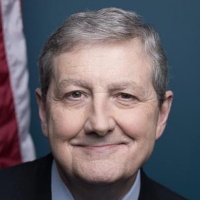
John Kennedy
Senator
LA
This Act mandates a comprehensive report on Russia's systematic persecution of religious groups in occupied Ukrainian territories, detailing abuses against non-aligned faiths. Following each report, the President must certify findings and impose sanctions on responsible individuals and entities. The legislation aims to hold accountable those involved in suppressing religious freedom and destroying houses of worship during the invasion.
New 'Russia's War on Faith Act' Mandates Sanctions for Religious Persecution in Ukraine
Alright, let's talk about something that's been flying a bit under the radar but has some serious real-world implications: the new 'Russia's War on Faith Act.' This isn't just another piece of paper; it's Uncle Sam looking squarely at what's happening in occupied Ukraine and saying, 'Not on our watch.' Essentially, this bill is all about shining a spotlight on and pushing back against Russia's crackdown on religious groups in those territories.
Unpacking the 'What' and 'Why'
So, what's this bill actually doing? First off, it's telling the Secretary of State and Secretary of Defense, along with the Director of National Intelligence, to get their act together and produce a detailed report for Congress. This isn't a one-and-done deal; it's due within 120 days of the law kicking in, and then annually for the next three years. They're tasked with documenting everything from the persecution and suppression of Christians, Jews, Muslims, and other non-Russian Orthodox groups to identifying religious buildings that have been damaged, seized, or repurposed by Russian authorities. Think about it: if you're a Ukrainian pastor, imam, or rabbi in an occupied area, this report aims to capture the reality of your daily struggle to practice your faith.
Connecting the Dots: From Report to Real Consequences
This isn't just about collecting data; it's about action. The bill requires an assessment of how many people have been persecuted or displaced, how religious practices are being restricted, and even attempts to force Christian organizations to align with Moscow-based religious institutions. The big kicker? This report will include a list of individuals and entities tied to the Russian government or de facto authorities who are responsible for this religious persecution. Within 30 days of each report, the President then has to certify if there are 'reasonable grounds' to believe these folks are guilty. If the answer is yes, then bam—sanctions are on the table, specifically under the Global Magnitsky Human Rights Accountability Act and other relevant authorities. This means travel bans, asset freezes, and basically making life a lot harder for those identified as persecutors. It’s a direct move to make those responsible feel the heat, rather than just wagging a finger from afar.
The Long Game: Accountability and Oversight
For anyone worried about human rights, this bill is a pretty big deal. It creates a clear, ongoing mechanism to document abuses and hold specific individuals and groups accountable. Imagine being a small business owner in Kyiv, watching your family and friends in occupied territories struggle to practice their faith. This bill, while not a magic wand, provides a pathway for the U.S. to directly intervene through sanctions, aiming to deter further persecution. And for those who might worry about sanctions being permanent, the bill also includes an out: if a later report shows that a previously sanctioned individual or entity has stopped their bad behavior, the President can waive or terminate those sanctions. It's a structured approach, balancing accountability with potential for de-escalation, all while keeping Congress in the loop with both unclassified and classified reports. It’s a serious effort to put some teeth into international religious freedom protections.