This Act establishes a federal program managed by NOAA to fund climate change education and literacy initiatives for all ages through grants to schools, universities, and community organizations.
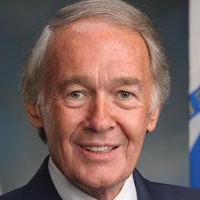
Edward "Ed" Markey
Senator
MA
The Climate Change Education Act establishes a federal program, managed by NOAA, to fund comprehensive climate change education for all ages. This initiative aims to increase climate literacy through formal schooling and nonformal programs, focusing on solutions, adaptation, and climate justice. The Act authorizes grants to K-12 systems, higher education, professional associations, and youth corps to develop and implement climate-focused learning and applied research.
New Climate Change Education Act Eyes $50M Annually for K-12, Higher Ed, and Green Jobs Training
Alright, let's talk about something that could actually change how we think about the future: the new Climate Change Education Act. This isn't just another bill; it's a big push to get everyone, from elementary school kids to seasoned pros, up to speed on climate change. We're talking about a federal program, run by the National Oceanic and Atmospheric Administration (NOAA), that’s designed to pump $50 million a year, from 2027 through 2032, into making us all a lot smarter about our planet.
School's In: Climate Literacy for Everyone
At its core, this bill, under sections 4 and 5, wants to make sure we're all “climate literate.” Think of it like this: just as you learn basic math or reading, this bill aims for everyone to understand climate change—what causes it, its impacts, and, crucially, what we can actually do about it. It covers everything from how climate change affects our environment and energy systems to the social and economic ripple effects. The goal is to move past the fear and helplessness, giving people concrete, actionable info on new technologies, career training, and programs that can make a real difference. If you've got kids in school, this could mean new curricula that integrate climate science into STEM, civics, and even vocational training. For those of us already in the workforce, it could mean new training opportunities in the "green economy"—think solar installation, sustainable agriculture, or energy-efficient building practices.
Funding the Future: Where the Money Goes
So, how does this all get funded? Section 5 lays out a pretty clear roadmap for grants and cooperative agreements. The biggest chunk, 50% of the funds, is earmarked for K-12 climate literacy. This means state education agencies, and sometimes even local districts directly, can get grants to develop and implement climate literacy plans for grades 4 through 12. We're talking about training educators, creating new lesson plans, and even using school facility upgrades (like solar panels on the roof) as teaching tools. Imagine your local high school becoming a living lab for renewable energy!
Another 30% goes to higher education, funding colleges and universities to get faculty and students working on applied climate research and direct services for local communities. This isn't just theoretical; it's about real-world projects that help towns adapt to climate change or reduce their carbon footprint. And here’s a key detail: 40% of these higher education grants, along with 40% of the grants for youth corps organizations (which get 10% of the total pie), must go to environmental justice communities. That’s a fancy way of saying communities, often with significant populations of color or low-income residents, that have historically borne the brunt of environmental pollution and climate impacts. This ensures the benefits and opportunities of a green economy are shared more equitably.
The Real-World Impact: From Classroom to Career
For a parent, this means your kids won't just be hearing abstract concepts; they'll be learning practical skills and knowledge about climate change that could shape their future careers. For a trade worker, it could open up new pathways in green construction or renewable energy, with professional development grants available to help upskill. For someone running a small business, understanding climate impacts and solutions could lead to new, sustainable practices that save money and attract customers. The bill even supports youth corps, essentially putting young people to work on community-based climate projects, giving them hands-on experience and education. This isn't just about knowing about climate change; it's about knowing how to act on it, and building a workforce ready for the jobs of tomorrow. It’s a pretty direct investment in making sure we’re not just talking about climate solutions, but actively building them.