This Act establishes Youth Advisory Councils within five key federal agencies to ensure young people have a formal role in environmental and climate-related decision-making.
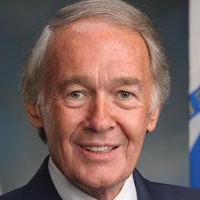
Edward "Ed" Markey
Senator
MA
The Youth Climate Leadership Act of 2026 mandates that five key federal agencies establish formal Youth Advisory Councils. These councils, composed of members aged 16 to 29, will provide recommendations on climate change, environmental justice, and pollution reduction. The Act ensures young people have a structured voice in federal environmental decision-making, particularly concerning disadvantaged communities. Funding is authorized for these activities through fiscal year 2037.
Youth Climate Leadership Act: New Councils to Empower Young Voices in Federal Environmental Policy
Alright, let's talk about something that actually gives a voice to the next generation on climate issues. We're looking at the Youth Climate Leadership Act of 2026. This isn't just another bill; it's setting up a direct line for young people to talk to the feds about environmental stuff that affects their future.
What's the Big Idea?
So, here’s the rundown: This Act requires five big federal agencies—the Environmental Protection Agency (EPA), the Departments of Interior, Energy, Agriculture, and Commerce—to each create a Youth Advisory Council. Think of it like a formal committee where folks aged 16 to 29 get to weigh in on how the government handles environmental issues. The goal? To make sure that policies actually reflect the concerns of young people, especially when it comes to things like climate change and pollution.
These councils aren't just for show. They're tasked with giving recommendations on everything from programs that help disadvantaged communities tackle environmental problems to tracking how climate change impacts young people. They’ll also be looking into research on environmental justice, climate mitigation, and reducing pollution. It’s a pretty direct way for youth to influence policy.
Who's On These Councils?
Each council will have between 15 and 25 members, all appointed by the head of the respective agency. And here’s a crucial detail: these members have to be between 16 and 29 years old when they're appointed. The agencies are specifically told to look for folks from all over the country and from diverse backgrounds—we're talking business, academia, local governments, environmental groups, you name it. No single category can make up more than 60% of the council, which is smart for keeping things balanced.
But wait, there's more: at least 50% of the members must come from, live in, or primarily work in what are called 'disadvantaged communities.' This is a big deal. It means the Act is trying to make sure that voices from communities often hit hardest by environmental issues are front and center. Members serve two-year terms, so there’s a consistent flow of fresh perspectives.
How Will They Operate?
These councils are set to meet at least once a year. And for the most part, these meetings are open to the public. So, if you're interested, you can actually show up, listen in, or even submit written comments. Each agency will also assign a full-time employee, called a 'Designated Federal Officer,' to oversee the council. This officer has to approve the meeting agenda beforehand and be present for all meetings. They can even adjourn a meeting if they think it's in the 'public interest.' While this ensures some structure, it also means the agency has a pretty tight leash on what gets discussed and when.
Council members will also get an educational curriculum, basically a crash course on how the agency works. This is super important because it helps them understand the ins and outs of federal operations so their recommendations are actually actionable. Each council will then submit an annual report with their recommendations to the agency head. It's a structured way to get those youth perspectives directly into the federal decision-making process.
What's the Catch?
One thing to note is that these councils are specifically exempt from the Federal Advisory Committee Act (FACA). Usually, FACA ensures a certain level of transparency and public access for federal advisory bodies. Being exempt from FACA might mean slightly less public scrutiny compared to other federal committees. While this could streamline operations, it’s worth keeping an eye on how transparent these councils remain in practice.
Also, that Designated Federal Officer having the power to approve agendas and adjourn meetings? It's a necessary part of managing things, but it also means they hold a fair bit of sway over the council's activities. It'll be crucial that these officers exercise that power in a way that genuinely fosters open discussion and doesn't inadvertently limit the council's ability to speak freely.
The Bottom Line
This Act is a pretty significant step toward giving young people a formal, structured way to influence environmental policy at the federal level. By requiring diverse representation, especially from disadvantaged communities, it aims to bring fresh, crucial perspectives to the table. It also puts some real money behind it, authorizing $250,000 per year for each of the five agencies from 2027 through 2037 to make these councils happen. If you're a young person passionate about climate or environmental justice, or just someone who believes in empowering the next generation, this bill sets up a direct channel for those voices to be heard.