This bill allows experienced military fighter aircrew to serve flexibly after their initial commitment and establishes a pilot program for experienced Air Force fighter pilots to take a temporary break from active duty.
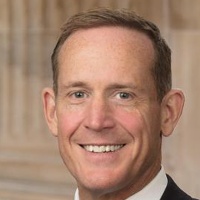
Ted Budd
Senator
NC
The Fighter Aircrew Career Flexibility Act aims to retain experienced military pilots and aircrew by offering new service options. It allows those completing active duty to serve part-time in the Reserves while maintaining flight proficiency. Additionally, it establishes a pilot program for active-duty fighter pilots to take a temporary break from service before returning with an extended commitment.
New Military Pilot Bill Offers Part-Time Service, Temporary Breaks: A Game-Changer for Aircrew Retention?
Alright, let's talk about something that could genuinely shake up how our military keeps its most experienced pilots in the cockpit. This new legislation, the Fighter Aircrew Career Flexibility Act, isn't just bureaucratic fluff; it’s a double-barreled approach to solving a long-standing problem: how to keep highly skilled fighter, bomber, and reconnaissance aircrew from leaving active duty too soon.
More Flight Time, Less Full-Time Stress
First up, the bill introduces a way for aircrew members—think fighter pilots, bomber navigators, and recon specialists—to stick around after their initial active-duty commitment, but not necessarily full-time. Instead of having to choose between fully separating or going full-throttle into the reserves, they can now opt for a part-time gig in the Selected Reserve. This means they can keep flying, stay proficient in their aircraft, and still get reserve pay and benefits proportional to their service. They'll also keep their flight pay and aviation incentive pay, which is huge, and their prior service credit for retirement isn't going anywhere. For folks juggling family life, civilian careers, or just needing a bit more flexibility, this is a big deal. It’s a minimum two-year commitment in this flexible status, and they still have to meet all the medical and flight standards, plus be available for recall. This is all laid out in Section 1 of the bill.
The 'Take a Break, Come Back Stronger' Program
Then there's the second part, which is a pilot program called the Retention of Experienced Regular Air Force Fighter Aircrew Pilot Program (Section 2). This one's specifically for active-duty Air Force fighter pilots (those with 11F or 12F Air Force Specialty Codes) who've already completed their initial service commitment. The idea is simple: let them take a temporary break from active duty, between four months and a year, without completely cutting ties. They'd move into the Individual Ready Reserve during this 'intermission' period.
Imagine you’re a fighter pilot with years of experience, but life throws a curveball—maybe a family situation, or an opportunity to pursue a critical civilian skill for a bit. This program, if approved by your wing commander, lets you hit pause. You'd still keep things like your security clearance, base access, and commissary privileges, and you'd do some inactive-duty training to stay sharp. The bill even says that if you live in military housing, you don't have to move out, though you'll pay rent while your housing allowance is paused. When you come back, the Air Force is supposed to get you back into a cockpit or staff role within 30 days, and you'll incur a new active-duty service commitment equal to double the length of your break. Crucially, participation in this program cannot be used against you for promotions or career development, which is a smart move to encourage uptake.
Why This Matters
Both of these initiatives are trying to solve the same core problem: retaining highly trained, incredibly expensive-to-replace aircrew. It costs a fortune and takes years to train a fighter pilot, and losing them early is a huge blow to readiness. By offering more flexibility, the military is hoping to keep these valuable assets in the fold longer. The pilot program, in particular, is designed to test if a temporary break can actually reduce early separations and keep experienced pilots available for leadership. The Secretary of the Air Force has 180 days to get the regulations in place for both parts, and they'll be reporting back to Congress within four years on how well the pilot program is actually working. It's a pragmatic approach to a very real talent retention challenge.