This Act establishes programs to address the health risks climate change poses to pregnant individuals, new parents, and young children through grants, research coordination, and risk-zone identification strategies.
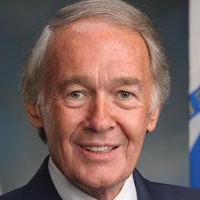
Edward "Ed" Markey
Senator
MA
The Protecting Moms and Babies Against Climate Change Act aims to safeguard maternal and infant health from climate-related risks like extreme heat and air pollution. It establishes grant programs to fund community initiatives and professional education focused on mitigating these dangers for vulnerable populations. Furthermore, the bill mandates the creation of a research consortium and a national strategy to identify high-risk zones for pregnant individuals and young children.
New Bill Tackles Climate Risks for Moms & Babies: $100M for Community Support, Research, and Health Worker Training
Alright, let's talk about something that hits close to home for a lot of us: the new Protecting Moms and Babies Against Climate Change Act. This isn't just another piece of legislation; it's a direct response to how things like scorching heatwaves, polluted air, and wild weather are impacting pregnant people, new parents, and their little ones under the age of three.
This bill is essentially saying, "Hey, climate change isn't just about polar bears; it's about our kids and their health right here, right now." It aims to tackle some serious issues like preterm births, low birth weight, and even maternal or infant mortality that can be worsened by environmental factors. The plan involves setting up grant programs, boosting research, and making sure our healthcare system is better equipped to handle these climate-related health challenges.
Community Lifelines: Grants for Local Action
One of the biggest pieces of this bill, laid out in Section 3, is a grant program that’s getting a cool $100 million authorized for fiscal years 2027 through 2030. Within 180 days of this bill becoming law, the Secretary of Health and Human Services (HHS) has to set up a program to award competitive grants to up to ten "covered entities." What's a covered entity? Think of it as a local dream team: a consortium of organizations in a single county, always including a community-based group, and potentially local government, health departments, hospitals, or even universities. They'll be selected within 270 days, so things could move pretty fast.
These grants aren't just for anything; they're specifically for identifying and addressing climate risks. Imagine your local community group getting funds to train doulas and community health workers to spot climate risks and counsel expectant parents. Or maybe they'll use it to distribute air conditioning units, filtration systems, or even provide direct financial assistance for things like housing or evacuation during extreme weather events. If you're a parent in an area prone to flooding or intense heat, this could mean real, tangible support to keep your family safe.
Crucially, these applications have to show how they’ll target areas with high climate risks and address racial and ethnic disparities in health outcomes. They also need to explain how they’ll avoid unintended negative consequences like resident displacement or skyrocketing rents, which is a smart move given how often community improvements can inadvertently push people out.
Leveling Up Healthcare Training
Section 4 of the bill focuses on the folks on the front lines: our healthcare providers. It sets up a $5 million grant program (authorized for fiscal years 2027 through 2030) for health profession schools. This means medical schools, nursing programs, midwifery programs, and others could get funds to develop and integrate training on how climate change affects pregnant individuals and young children. So, your doctor or midwife could soon be getting specific education on how air pollution might impact a pregnancy or how to counsel patients about staying safe during a heatwave. This isn't just about treating symptoms; it's about understanding the root causes and preventing problems before they start.
NIH Takes on Climate & Birth Research
Ever wonder how much research actually connects the dots between a changing climate and birth outcomes? Section 5 calls for the Director of the National Institutes of Health (NIH) to establish a Consortium on Birth and Climate Change Research within a year. This isn't some side project; it's a dedicated effort to coordinate research across multiple NIH institutes. Their job will be to set research priorities, identify data gaps, find funding opportunities for diverse researchers, and raise public awareness. This means we could get a much clearer picture of the specific risks and, more importantly, how to mitigate them effectively.
Mapping the Hotspots: Identifying Risk Zones
Finally, Section 6 tasks the Secretary of HHS, through the CDC, with developing a strategy to identify areas where climate change poses the highest risk to vulnerable mothers and babies. Think of it like a national heat map, but for maternal and infant health. This strategy will consider factors like air pollution-related diseases, access to healthcare, language proficiency, insurance status, and socioeconomic factors. This isn't just an academic exercise; it's about pinpointing where resources are most needed and ensuring that future initiatives are laser-focused on the communities facing the greatest challenges.
Overall, this bill is a pretty comprehensive effort to connect the dots between our changing environment and the health of our most vulnerable. While the funding is authorized for future fiscal years, the framework it lays out for community support, professional training, and dedicated research could make a real difference in how we protect new families from climate-related health risks. It’s a step towards making sure that where you live doesn't dictate your baby's health outcomes, especially when it comes to the climate crisis.