This act expands the existing Anti-Boycott Act to prohibit boycotts imposed by international governmental organizations and mandates annual public reporting on such boycotts.
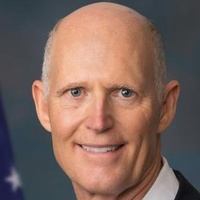
Rick Scott
Senator
FL
The IGO Anti-Boycott Act expands existing law to prohibit boycotts imposed by international governmental organizations, not just foreign countries. It also mandates that the President submit an annual public report detailing all covered boycotting entities and their actions.
New IGO Anti-Boycott Act Expands Scope to International Organizations, Adds Annual Public Report
Alright, let's talk about the IGO Anti-Boycott Act. This isn't some brand-new concept; it's actually an update to a law from 2018, the Anti-Boycott Act. Think of it like a software patch, but for policy, designed to broaden who gets caught in its net and to shine a brighter light on the issue of international boycotts. Essentially, this bill says, 'Hey, those rules we had for foreign countries imposing boycotts? They now apply to international governmental organizations too.' And to keep everyone on their toes, the President will now have to spill the beans each year, listing all the countries and organizations playing this game, and what kind of boycotts they're running.
Expanding the Boycott Watchlist
Previously, the Anti-Boycott Act of 2018 primarily focused on foreign countries that might try to impose boycotts that U.S. businesses or individuals would then have to comply with. Now, per Section 2 of this new bill, that net is cast wider to include "international governmental organizations." This means entities like the UN, the EU, or other similar bodies, if they were to impose a boycott, would now be under the same scrutiny as individual nations. For a U.S. company doing business globally, this could mean needing to be aware of an even broader range of international policies and pressures that might impact their operations or trade relationships. It's about ensuring American entities aren't forced to participate in economic actions against other countries or groups that the U.S. government doesn't support.
The Annual Report Card
One of the more tangible changes here, also detailed in Section 2, is the new annual reporting requirement. The President will now be tasked with compiling a yearly report for Congress and, crucially, making it public. This report isn't just a list; it has to describe the specific boycotts being fostered or imposed by these countries and international governmental organizations. Imagine a global 'naughty list' of sorts, detailing who's doing what. For a small business owner navigating international supply chains or an investor looking at global markets, this public report could become a valuable, albeit potentially dense, resource. It’s designed to increase transparency, making it clearer where these boycott pressures are coming from and what they entail, which could help U.S. entities avoid inadvertently running afoul of U.S. law or getting caught in international political crossfire. It's like getting a detailed weather report for the global political climate, helping you decide whether to pack an umbrella or a heavy coat when doing business abroad.