This bill prohibits all U.S. funding to UNRWA and restricts U.S. participation in UN bodies chaired by state sponsors of terrorism, while also revoking UNRWA officials' privileges.
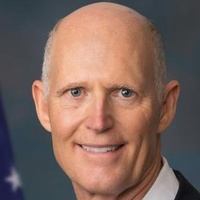
Rick Scott
Senator
FL
This bill prohibits all future United States financial contributions to the United Nations Relief and Works Agency for Palestine Refugees in the Near East (UNRWA). It also restricts the use of federal funds for U.S. delegations to UN bodies chaired by countries deemed to repeatedly support international terrorism. Furthermore, the legislation revokes all privileges and immunities for UNRWA officials and employees.
New Bill Proposes Total Cut-Off of US Funds to UNRWA, Revokes Diplomatic Protections for Staff
Alright, let's talk about a new piece of legislation that could really shake things up on the international aid front. It's officially called the "Stop Support for United Nations Relief and Works Agency Act of 2026," or the "Stop Support for UNRWA Act of 2026" for short. This bill is pretty straightforward in its main goal: it completely bans the United States from sending any money—voluntary or otherwise—to the United Nations Relief and Works Agency for Palestine Refugees in the Near East (UNRWA). Not only that, but it also blocks US funds from the general United Nations budget if that money is earmarked to support UNRWA or any similar organization that might pop up.
The Aid Freeze
So, what does this mean in practice? Well, for starters, if this bill passes, UNRWA won't see another dime from the US government. This isn't just about direct donations; Section 2 specifically states that funds can't go to "any successor or related organization" or even to the "regular United Nations budget for the purpose of supporting UNRWA." Think of it like this: if you usually chip in for a community project, but then a new rule says you can't fund that specific project or any group that helps it, that project's going to feel the pinch. UNRWA provides essential services like food, shelter, healthcare, and education to millions of Palestinian refugees. Cutting off this funding could create a massive gap in these services, directly impacting the daily lives of people who rely on them for survival.
Diplomatic Red Tape and Revoked Privileges
Beyond just the money, this bill also gets into some pretty serious diplomatic territory. Section 3 has a couple of big provisions. First, it says that federal funds can't be used to pay for any US delegation to a United Nations agency, body, or commission if that body is chaired or presided over by a country that the Secretary of State has determined "repeatedly supports international terrorism." This could mean the US might pull out of certain UN meetings or committees, potentially limiting its influence in those forums. Second, and perhaps even more impactful for UNRWA, is the revocation of "all privileges, exemptions, and immunities" for any official, employee, or representative of UNRWA. This means that, regardless of existing laws like the International Organizations Immunities Act, UNRWA staff would lose the special protections that typically allow international aid workers to operate without fear of arrest or harassment in the countries where they serve. Imagine trying to deliver aid in a conflict zone, but suddenly you don't have the usual diplomatic protections. That's a huge shift that could make their work incredibly difficult, if not impossible, and potentially put staff at risk.
Who's Calling the Shots?
One thing to keep an eye on is the power this bill gives to the Secretary of State. Under Section 3, it's up to the Secretary to determine which countries "repeatedly support international terrorism." This determination can be made using various existing laws, but the bill doesn't lay out new, specific criteria. This kind of broad authority could be a double-edged sword. While it aims to prevent US funds from indirectly supporting terrorism, it also means that the Secretary's decisions could significantly impact which UN bodies the US engages with and which countries face diplomatic isolation. For everyday folks, this could translate into shifts in international relations that affect everything from trade agreements to global stability, depending on how these determinations are made and applied.