This Act mandates the installation of clear, visible warning signs at U.S.-Mexico land ports of entry to alert travelers about dangerous areas identified in Department of State Travel Advisories.
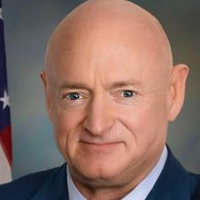
Mark Kelly
Senator
AZ
The Nicholas Douglas Quets Border Travel Safety Act mandates the installation of clear, visible warning signs at U.S. land ports of entry along the southern border. These signs will alert travelers to dangerous areas near the border identified in current Department of State Travel Advisories. The goal is to enhance traveler awareness of security risks, such as cartel violence, before they cross into Mexico.
Border Travel Safety Act Mandates Warning Signs at U.S.-Mexico Crossings
Alright, let's talk about something that hits close to home for anyone who's ever crossed the border or knows someone who has. We've got a new piece of legislation, the Nicholas Douglas Quets Border Travel Safety Act, that’s all about putting up warning signs at U.S.-Mexico land ports of entry. The goal? To make sure folks heading south are fully aware of any potential dangers, like crime or violence, in areas near the border that the State Department has flagged as risky.
What's the Deal with These Signs?
So, the core of this bill is pretty straightforward: the Department of Homeland Security, specifically U.S. Customs and Border Protection, is getting the green light to set up a whole program for these warning signs. They won't be flying solo, though; they'll be working hand-in-hand with the Department of State, which is the expert on identifying those dangerous zones near the border. Think of it like this: the State Department identifies the hot spots, and CBP puts up the neon-bright warnings. These aren't just going to be tiny, easily missed placards. The bill, in Section 6, specifies they need to be "clearly visible to motorists and pedestrians" and placed "in sufficient proximity to allow travelers to make informed travel decisions." So, if you’re driving into Mexico, you should see these signs well before you commit to a route.
Where Will You See Them?
These signs aren't just popping up right at the border crossing. The plan is to put them at all appropriate U.S. land ports of entry along the border, but also on "all roadways and routes approaching those ports of entry, and in areas immediately adjacent, where travelers are likely to cross the international boundary." This means if you're on a highway heading towards a border crossing, you should start seeing these warnings. They'll also be displayed in both English and Spanish, plus any other languages the Secretary of State deems necessary, which is a smart move for reaching a wider audience.
Keeping the Info Fresh
One of the practical aspects of this bill, outlined in Section 7, is the commitment to keeping these warnings current. We all know things can change fast, especially in dynamic border regions. So, the Secretary of Homeland Security, with the Secretary of State, will be reviewing these signs annually to make sure they’re accurate and visible. And if the State Department updates a travel advisory, Homeland Security gets a heads-up and has to update the signs accordingly. This isn't a set-it-and-forget-it deal; it's designed to be responsive to real-time changes.
Why This Bill Now?
This legislation comes on the heels of a tragic incident in October 2024, where an American, Nicholas Quets, was killed in Sonora, Mexico. As Section 2 of the bill notes, he was traveling through an area frequently under a "Reconsider Travel" advisory, and it’s unclear if he was aware of it. This bill is a direct response to that, aiming to prevent similar tragedies by making sure no one can say they didn't know about the risks. It’s about empowering travelers with information so they can make safer choices.
The Nitty-Gritty Details and What It Means for You
Beyond just the warnings, the signs will also point you to more info, like the Department of State's travel advisory website or a QR code that links directly to it. This is key because a sign can only say so much. Having a quick way to get all the details, including specific threats like crime, terrorism, or even natural disasters, is super helpful. For anyone who drives across the border for work, family, or even a quick trip, this means a more informed journey. It's about giving you the heads-up you need to navigate safely, without getting bogged down in government speak. And just to be clear, Section 9 explicitly states that this act isn't about authorizing any use of force in Mexico, which is an important clarification to avoid any misunderstandings about its intent.