This act grants NASA the authority to detect, identify, monitor, and track drones posing a credible threat to its facilities, while establishing coordination, privacy, and reporting requirements.
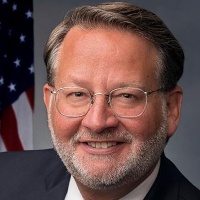
Gary Peters
Senator
MI
The NASA UAS Detection Act grants NASA the authority to detect, identify, monitor, and track drones posing a credible threat to its facilities or assets. This power allows NASA personnel to intercept communications controlling such drones, provided they coordinate closely with the FAA and adhere to strict privacy protections. The law mandates risk assessments for all NASA sites and requires regular reporting to Congress on the use of these detection capabilities, which will terminate in 2031.
NASA Gains New Powers to Track Drones Near Facilities, Intercept Communications Until 2031
Alright, let's talk about something that sounds like it's straight out of a sci-fi movie but is actually heading our way: the NASA UAS Detection Act. This bill basically gives NASA the green light to play drone detective around its facilities. We're talking about the power to detect, identify, monitor, and even track unmanned aircraft systems (UAS), or as most of us call them, drones, if they pose a credible threat to NASA’s property or operations. This isn't just about spotting them; it includes intercepting the electronic communications used to control these drones, and here's the kicker: they can do it without the drone operator's consent. This new authority is set to run until September 30, 2031.
Eyes in the Sky: What NASA Can Actually Do
So, what does this new power look like on the ground (or in the air)? Imagine a drone flying too close to a NASA research center. Under this act, NASA personnel, who've been specifically trained and coordinated with the FAA, could actively monitor that drone. This isn’t just visual tracking; it means they can tap into the signals controlling the drone. This is a big deal because it allows NASA to bypass existing federal laws that usually protect electronic communications from interception. The goal is clear: keep NASA’s sensitive facilities and assets safe from potential threats. They're not just making this up as they go, though; they have to coordinate with the FAA on anything that touches aviation safety or airspace, and they can only use drone detection tech that's been approved by a joint list from a bunch of federal agencies, including Justice, Homeland Security, and the FCC.
Your Data, Their Watch: The Privacy Angle
Now, for those of us who care about privacy (which is, well, everyone), the bill does include some guardrails. Any guidance NASA puts out for these operations has to ensure that communication intercepts comply with the First and Fourth Amendments. They can only intercept what's absolutely necessary for the authorized action, and they can’t keep records of those communications for more than 180 days unless it's for an active investigation. Plus, they can’t just share your drone’s secrets with anyone; disclosure is limited to law enforcement, regulatory enforcement, or what’s legally required. So, while they can listen in, there are rules about how and why they do it, and what happens to that information.
The Fine Print: What This Means for Drone Operators and Everyone Else
If you're a drone hobbyist or use a drone for work, say, for aerial photography or surveying, this means you need to be extra mindful of where you're flying, especially near NASA facilities. The bill doesn't precisely define what a "credible threat" is, which leaves a bit of wiggle room for interpretation. This could mean that a drone operator, even one just trying to get a cool shot, might find their signals intercepted if NASA perceives a risk. For the general public, it means increased surveillance around NASA sites, which, while aimed at security, always brings up questions about the broader implications for privacy and civil liberties, even with the protections built in. NASA also has to brief Congress semiannually on all their activities, including any harm or damage caused, which is a good step for transparency. This isn't about giving NASA free rein, but rather a targeted, time-limited authority to address a specific modern security challenge.