The Preventing Youth Homelessness Demonstration Act of 2026 establishes federal grant programs to fund local initiatives and capacity-building efforts aimed at preventing homelessness among youth and young adults.
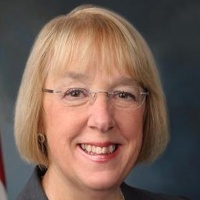
Patty Murray
Senator
WA
The Preventing Youth Homelessness Demonstration Act of 2026 establishes federal grant programs to help communities identify, support, and provide services to youth and young adults aged 12 to 26 who are at risk of homelessness. By funding both local prevention strategies and capacity-building assessments, the Act aims to improve cross-system collaboration and deliver trauma-informed interventions. These initiatives prioritize the inclusion of youth with lived experience to ensure effective, data-driven solutions for preventing homelessness.
Preventing Youth Homelessness Act: $105 Million Annual Boost for At-Risk Young Adults and Rural Communities
This bill sets up a major federal offensive against youth homelessness by creating two massive grant programs under the Department of Health and Human Services. Targeting young people aged 12 to 26, the legislation authorizes $85 million annually for direct intervention and another $20 million for community planning through 2030. The goal is to catch at-risk youth—including those aging out of foster care or the justice system—before they end up on the street, providing a safety net that includes everything from emergency housing and job training to mental health services and childcare for young parents.
More Than Just a Roof
The 'Demonstration Grant' side of this bill is where the heavy lifting happens, offering five-year grants between $3 million and $7.5 million to cities, schools, and tribal organizations. Instead of just funding shelters, the bill allows for 'primary prevention'—think of it as the 'check engine light' for a young person's life. For example, a 19-year-old leaving foster care could get help with a security deposit, or a 22-year-old single parent could access job training and childcare to stay in their apartment. To keep things grounded, the bill mandates a 'Youth Homelessness Prevention Council' for every grantee, which must be run by people who have actually experienced homelessness themselves. It’s a 'nothing about us without us' approach designed to make sure the money isn't wasted on programs that look good on paper but fail in the real world.
Mapping the Gaps in Rural and Tribal Areas
Recognizing that homelessness looks very different in a rural town than it does in a major city, the bill carves out specific protections: 10% of funds are reserved for rural areas and 5% for Indian Tribes and Native Hawaiian organizations. Before the big checks are cut, the bill offers 'Capacity Grants'—smaller 18-month planning windows worth up to $1.5 million. These are for the communities that know they have a problem but don't have the data yet to prove where the gaps are. If you’re in a small town where 'homelessness' means kids couch-surfing or living in cars rather than sleeping on a sidewalk, these grants are designed to help local schools and agencies build the tracking systems needed to get those kids on the radar for help.
Accountability and the Fine Print
To prevent this from becoming a bureaucratic black hole, the bill includes some strict 'guardrails.' Administrative costs are capped at 10%, meaning 90 cents of every dollar should ideally go toward helping people, not paying for fancy office furniture. There is also a 'supplement, not supplant' rule, which is policy-speak for: 'States cannot use this federal money to replace the money they were already spending on these programs.' While the bill is clear about its goals, the real challenge will be the 'trauma-informed' requirement. This asks local agencies—who may be used to old-school, rigid rules—to coordinate across school districts, courts, and health clinics to provide a seamless transition for a young person. It’s a tall order for local governments, but the bill backs it up with $1 million a year for the Inspector General to audit the books and ensure the money actually reaches the 12-to-26-year-olds it’s meant for.