The HBCU Research Capacity Act establishes a federal clearinghouse within the Department of Education to help Historically Black Colleges and Universities identify grant opportunities and build institutional research capacity.
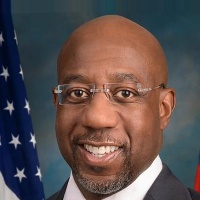
Raphael Warnock
Senator
GA
The HBCU Research Capacity Act establishes a federal clearinghouse within the Department of Education to help Historically Black Colleges and Universities identify and secure federal research grant opportunities. By providing centralized resources, best practices, and increased transparency, the bill aims to dismantle systemic funding barriers and strengthen the research capacity of HBCUs. Additionally, the legislation mandates that major federal agencies review their grant programs and report annually to Congress to ensure equitable access to research funding.
HBCU Research Capacity Act Mandates Federal Grant Clearinghouse and Multi-Agency Program Reviews
Historically Black Colleges and Universities (HBCUs) enroll nearly 9 percent of Black undergrads but see less than 1 percent of the $60 billion the federal government spends on research and development. The HBCU Research Capacity Act aims to fix this imbalance by establishing a dedicated Federal Clearinghouse within the Department of Education to act as a one-stop shop for grant opportunities. This isn't just a website; it’s a mandated resource designed to help these institutions navigate the complex world of federal funding, specifically distinguishing between general research grants and those reserved exclusively for HBCUs to help them build long-term institutional muscle.
A Central Hub for Innovation
Section 3 of the bill creates the 'Federal Clearinghouse on Research Capacity,' which is essentially a high-level concierge service for university administrators. Instead of a research professor at a school like North Carolina A&T or Xavier University spending dozens of hours hunting through the fragmented portals of various agencies, they will have a central database of best practices and funding opportunities. To keep things moving fast, the bill exempts the Clearinghouse from the Paperwork Reduction Act and the Federal Advisory Committee Act. While this cuts through the red tape that usually slows down government projects, it does mean there will be less public oversight on how these 'best practices' are selected.
The Accountability Audit
The bill doesn’t just put the burden on the schools; it puts eight major federal agencies—including the Department of Defense, NASA, and the EPA—on the hook. Under Section 5, these agencies must review their existing grant programs to see if they actually align with the Clearinghouse’s recommendations. If an agency realizes it doesn't have a grant program that supports the specific needs of HBCUs, it has to report that gap directly to Congress every year. This creates a feedback loop where the government has to admit where it’s falling short, theoretically making it easier for lawmakers to see exactly where new funding or programs are needed.
Real-World Impact on the Future Workforce
For the average person, this is about the pipeline of talent entering the workforce. HBCUs currently produce 18 percent of Black STEM graduates; by boosting the research capacity of these schools, the bill aims to modernize labs and provide more hands-on opportunities for students. Imagine a computer science student at a smaller HBCU who currently has to look elsewhere for high-level research internships because their school lacks the funding for a sophisticated AI lab. Under this act, their university would have a clearer path to securing the millions in federal R&D money needed to build that lab in-house, directly impacting that student's career trajectory and the local economy. The bill also ensures transparency for the schools themselves, requiring the Secretary of Education to offer quarterly updates to every HBCU so they never miss a funding window.