The Ending Scam Credit Repair Act (ESCRA) strengthens consumer protections by imposing stricter regulations, licensing requirements, and prohibited practices on credit repair organizations to prevent fraudulent activities.
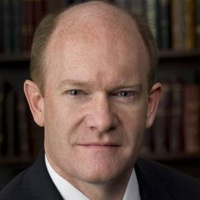
Christopher Coons
Senator
DE
The Ending Scam Credit Repair Act (ESCRA) strengthens consumer protections by imposing stricter regulations on credit repair organizations, including prohibitions against deceptive practices and "dispute jamming." The bill mandates that these organizations provide proof of results before collecting payment, requires state licensing, and increases transparency through enhanced disclosure and recordkeeping requirements. Additionally, it expands consumer rights by allowing for statutory damages in cases of noncompliance.
New Credit Repair Rules Ban Upfront Fees and 'Jamming' Tactics Starting in 2026
If you’ve ever been buried under a mountain of debt, you’ve probably seen the ads promising to 'erase' your bad credit for a flat fee. The Ending Scam Credit Repair Act (ESCRA) is stepping in to change how those companies operate, essentially moving them to a 'pay-for-performance' model. Under Section 3, these organizations are now prohibited from taking a single dime from you until they prove they’ve actually fixed something. They have to show you a fresh credit report, issued at least 180 days after their work, proving the negative marks are gone. It’s like hiring a mechanic who only gets paid once your car actually starts.
No More 'Jamming' the System
One of the biggest headaches for credit bureaus and banks is a tactic called 'jamming,' where repair firms flood the system with the same dispute over and over, hoping someone just deletes the entry to make the paperwork go away. This bill puts a stop to that. Section 3 requires firms to wait for an investigation to finish before resubmitting, and they must include a specific description of what exactly is wrong. For a regular person trying to get a mortgage, this could mean the credit reporting system moves a bit faster because it isn't clogged with automated, junk disputes. Plus, if a firm sends a dispute on your behalf, they now have to send you a copy of that communication at the same time (Section 5), so you aren't left in the dark about what’s being said in your name.
The 'DIY' Disclosure and Paper Trails
Ever wonder if you could just fix your credit yourself? The bill wants to make sure you know the answer is 'yes.' Section 4 mandates that every contract include a bold disclaimer: 'Credit repair organizations do not provide any services that you cannot do yourself for free.' It also forces these companies to be more professional with their record-keeping. They’ll have to keep copies of your contracts and recordings of your phone calls for five years instead of two. This isn't just busywork; it’s a paper trail that makes it much easier for you to hold them accountable if they promise you the moon and deliver nothing.
Licensing and Lawsuits
Starting January 1, 2026, the 'wild west' era of credit repair gets a fence around it. Section 6 requires every credit repair organization to be licensed by the state. This adds a layer of oversight for the local shop or the online firm you found on Instagram. If they do break the rules—like making false statements to the FTC or the CFPB—the stakes just got higher. Section 8 allows consumers to sue for $500 per violation. For a firm that mishandles hundreds of disputes, those $500 charges can add up fast, giving them a very expensive reason to play by the rules. While some smaller, legitimate firms might feel the pinch of new licensing costs, the goal is to weed out the 'scam' part of the credit repair industry for good.