The Fair Wages for Incarcerated Workers Act of 2026 amends the Fair Labor Standards Act to extend minimum wage and overtime protections to individuals performing work while incarcerated.
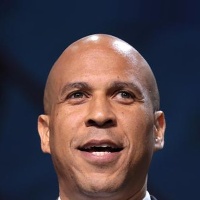
Cory Booker
Senator
NJ
The Fair Wages for Incarcerated Workers Act of 2026 amends the Fair Labor Standards Act to extend federal minimum wage and overtime protections to incarcerated individuals. This legislation ensures that workers in correctional facilities receive fair compensation for their labor, prohibiting the deduction of court-imposed fees from their earnings.
New Labor Bill Mandates Federal Minimum Wage for Incarcerated Workers and Bans Room-and-Board Deductions
The Fair Wages for Incarcerated Workers Act of 2026 aims to end the era of pennies-per-hour labor behind bars. By amending the Fair Labor Standards Act of 1938, the bill extends federal minimum wage and overtime protections to anyone working while detained in a correctional facility. Whether someone is working for a state-run prison industry, a private contractor, or just maintaining the facility’s own kitchen and laundry, the bill clarifies that they are employees entitled to the same base pay floor as workers on the outside.
The End of the Paycheck 'Tax'
One of the most significant shifts in this bill is how it handles wage deductions. Currently, many facilities claw back a huge percentage of an incarcerated person's meager earnings to pay for the cost of their own imprisonment. This bill explicitly forbids employers from deducting the cost of 'board, lodging, or other facilities' from an incarcerated worker's pay. It also bars the automatic garnishment of wages to satisfy a long list of court-imposed fees, such as DNA database fees, jury fees, and filing costs. However, it does keep the door open for deductions related to child support, victim compensation funds, and criminal fines, ensuring that while the worker gets paid fairly, they still meet specific legal and family obligations.
Real-World Shifts in the Prison Economy
To see how this plays out, consider an individual working in a prison furniture shop. Under current rules, they might earn $0.50 an hour, with half of that taken back by the prison for 'room and board.' Under this bill, that worker would jump to the federal minimum wage (currently $7.25). Because the bill prevents the facility from charging them for their cell or food out of those wages, the worker could actually accumulate savings to support their family or build a transition fund for when they are released. For a parent behind bars, this could mean the difference between being a financial drain on their family and actually being able to send money home for school supplies or groceries.
The Cost of Compliance
This change will likely create a massive ripple effect for the agencies and companies that rely on prison labor. Public agencies and private contractors operating these facilities will now be legally classified as employers, meaning they’ll have to budget for significantly higher payroll costs and overtime. We might see a shift in how these programs are run; for instance, a private company that currently uses prison labor to keep costs low might find the new wage requirements make their business model less profitable. There is also a practical challenge for state budgets, as facilities can no longer use inmate wages to offset the costs of running the prison, potentially forcing a conversation about how these institutions are funded at the taxpayer level.