The Grocery, Farm, and Food Worker Protection Act of 2026 establishes a $50 million grant program to provide disaster-related stabilization payments to essential food and agricultural workers.
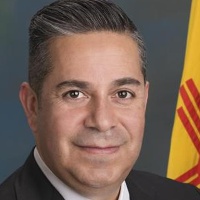
Ben Luján
Senator
NM
The Grocery, Farm, and Food Worker Protection Act of 2026 establishes a $50 million grant program to provide financial stabilization payments to essential food and agricultural workers affected by disasters. Administered by the Secretary of Agriculture, the program distributes funds through labor unions and membership organizations to support workers during times of crisis.
New $50 Million Emergency Fund to Provide Direct Relief for Grocery, Farm, and Meat Processing Workers During Disasters
The Grocery, Farm, and Food Worker Protection Act of 2026 sets up a $50 million financial safety net designed to keep the people who feed us on their feet when disaster strikes. Under Section 2, the Secretary of Agriculture will establish a grant program that funnels money to 'eligible entities'—specifically labor unions and membership organizations representing farmworkers, meat processors, and grocery store employees. These organizations then distribute 'stabilization payments' directly to workers who are sidelined by natural disasters or other emergencies. It is essentially a specialized insurance policy for the food supply chain’s most essential human components, ensuring that a bad storm or a regional crisis doesn't result in a total loss of income for the folks stocking shelves or harvesting crops.
The Logistics of Relief
This isn't a government office mailing checks directly to individuals. Instead, the bill uses existing worker organizations as the middleman. By leveraging unions and membership groups, the program aims to get cash into the hands of workers faster, using the networks they already trust. The $50 million appropriation is 'no-year' money, meaning it stays in the pot until it is actually spent, rather than disappearing at the end of a fiscal year. For a grocery clerk whose store is flooded or a farmhand whose fields are destroyed by a freak freeze, this could mean the difference between making rent and facing eviction while their workplace recovers.
Defining a Disaster
One interesting wrinkle in the bill is the broad authority given to the Secretary of Agriculture. Section 2 grants the Secretary the power to determine what counts as a 'disaster' beyond just natural events like hurricanes or fires. While this flexibility allows the government to respond to unique or modern crises (like a sudden supply chain collapse or a localized health emergency), it does leave a bit of a gray area. Because the term isn't strictly defined, the rollout of these payments depends heavily on the discretion of whoever is running the USDA at the time. This 'Medium' level of vagueness means that while the fund is ready, the trigger for pulling it is a bit of a judgment call.
Accountability and Long-Term Impact
To make sure the $50 million is actually doing what it’s supposed to, the bill requires a progress report four years after it kicks off. This report, mandated for both the House and Senate Agriculture Committees, will evaluate whether the stabilization payments actually helped workers stay afloat and kept the food industry stable. For the average person, this bill represents a shift toward treating food workers as critical infrastructure. If you’re working a shift at a meatpacking plant or managing a produce aisle, this legislation recognizes that your financial stability is directly tied to the country’s food security, providing a buffer against the unpredictable nature of the modern world.