The Habitat Connectivity on Working Lands Act of 2026 expands federal conservation programs and research initiatives to support wildlife migration corridors and the adoption of virtual fencing technology on private lands.
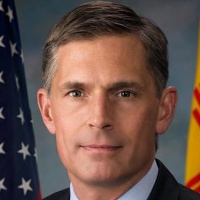
Martin Heinrich
Senator
NM
The Habitat Connectivity on Working Lands Act of 2026 expands federal conservation programs to better support wildlife migration corridors and habitat connectivity for native big game species. The bill increases financial incentives for landowners, integrates modern tools like virtual fencing into conservation standards, and prioritizes research to improve range health and habitat restoration.
Habitat Connectivity Act Boosts Conservation Payouts to $125,000 and Fast-Tracks Virtual Fencing Technology
If you’ve ever driven through the Mountain West or the rural Midwest, you know the 'deer crossing' sign is more than a warning—it’s a reminder that wildlife and working lands are constantly bumping into each other. The Habitat Connectivity on Working Lands Act of 2026 is a major update to how the government helps farmers and ranchers play host to big game like elk, moose, and pronghorn. Instead of just focusing on keeping land idle, this bill shifts the focus toward 'connectivity'—making sure these animals have clear paths to move, eat, and migrate across private property without running into a literal or metaphorical wall.
Bigger Checks for Conservation
For the folks running the farms and ranches, the most immediate change is in the wallet. Section 2 of the bill bumps the annual payment cap for the Conservation Reserve Program (CRP) from $50,000 to $125,000. That is a massive jump that acknowledges the rising costs of land and equipment. If you’re a rancher with land that’s ecologically significant, you can now double-dip a bit by getting cost-share payments for things like labor and materials through other programs like EQIP or CSP while still being enrolled in the CRP. It’s a move designed to make conservation a viable business decision rather than a sacrifice.
The Rise of the Virtual Fence
One of the coolest—and most practical—parts of this bill is the push for 'virtual fencing.' Traditional barbed wire is a nightmare for migrating elk and deer, but it’s necessary for keeping cattle where they belong. This bill directs the Secretary of Agriculture to bake nonstructural management (like GPS-collars that beep when a cow hits a digital boundary) into federal standards. It also sets up research grants to figure out the best way to roll this out. For a cattle producer, this could eventually mean less time mending physical fences and more flexibility in how they graze their herd across sensitive areas like creek beds.
Navigating the Fine Print
While the bill is largely a win-win for landowners and wildlife, it does add some layers of complexity. To get those extra payments, the land has to meet specific 'ecological significance' markers, and you can’t get paid twice for the same exact practice. The bill also makes it clear that while we’re helping the elk move through, these new conservation rules can’t stop emergency haying or grazing when a drought hits. It’s a balanced approach, but for a busy producer, it means more time spent coordinating between different federal programs to make sure they’re maximizing their benefits without tripping over a regulation.