This Act establishes a task force and interagency committee to enhance the oversight, accountability, and transparency of proprietary institutions of higher education through improved data collection, student complaint tracking, and the publication of an annual warning list.
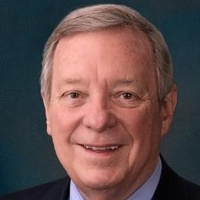
Richard Durbin
Senator
IL
The Proprietary Education Oversight Task Force Act establishes a specialized task force and interagency committee to enhance the oversight, transparency, and accountability of for-profit colleges. This legislation mandates the creation of a centralized student complaint system, requires comprehensive annual reporting on institutional performance and marketing practices, and directs the publication of a "Warning List" to protect students and taxpayers from deceptive practices.
New Federal Task Force to Track For-Profit College Success and Launch Public 'Warning List' for Students
If you’ve ever seen a late-night commercial for a career college or scrolled past a targeted ad promising a high-paying tech job in six months, you know the for-profit education world is a massive business. This bill, the Proprietary Education Oversight Task Force Act, is designed to pull back the curtain on that industry. It sets up a high-level watchdog group—including the Department of Education, the VA, and the CFPB—to dig into how these schools use your tax dollars, how much they’re paying their CEOs, and whether their graduates are actually getting the jobs they were promised. For anyone currently enrolled or thinking about signing up, this is about making sure the degree is worth the debt.
A New Safety Net for Students
The bill doesn't just sit in a boardroom; it builds a centralized 'one-stop shop' for student complaints. Under Section 5, the government must create a single toll-free number and a website where students can report issues ranging from predatory recruiting to poor instruction. Imagine you’re a veteran using your GI Bill at a school that suddenly stops offering the classes you need to graduate—this system is designed to catch those red flags early and share that data across federal and state agencies. It moves the needle from 'buyer beware' to active government oversight by ensuring that if a school is cutting corners, the people with the power to investigate are actually talking to each other.
The 'Warning List' and Your Bottom Line
Perhaps the most direct impact for families is the creation of a mandatory 'Warning List' for parents and students. Under Section 7, the Secretary of Education must publish a yearly list of for-profit colleges that are facing lawsuits for fraud, have had their federal funding suspended, or are underwater with student debt claims. If a school makes this list, the bill requires a 'plain language' summary explaining why they’re there. For a busy parent trying to help their kid pick a vocational program, or a worker looking to upskill, this list acts like a credit score for colleges—giving you a quick way to see if a school has a history of legal trouble before you sign a loan agreement.
Following the Money
For-profit colleges that are publicly traded will face even tougher transparency rules. The bill mandates an annual report detailing exactly how much revenue goes toward actual teaching versus how much is spent on aggressive marketing and executive bonuses (Section 6). For example, if a school is spending $5,000 per student on ads but only $1,000 on instruction, that data will now be public and compared directly against local community colleges. By tracking 'debt-to-earnings' rates—how much graduates owe versus what they actually earn—the bill aims to spot programs that are essentially debt traps. It’s a move toward treating higher education more like a regulated utility and less like an unchecked marketplace.