The Kids in Classes Act provides $75 billion to address pandemic-related learning loss while requiring school districts to provide direct payments to parents for educational expenses if schools fail to offer in-person instruction.
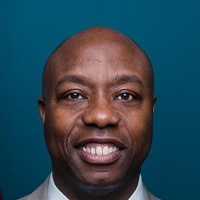
Tim Scott
Senator
SC
The Kids in Classes Act establishes a $75 billion grant program to help states and school districts implement evidence-based interventions to address student learning loss caused by COVID-19 school closures. Additionally, the bill mandates that schools receiving Title I funding create "failure to open" plans to provide direct payments to parents for educational expenses if in-person instruction is suspended due to public health emergencies or collective bargaining actions.
Kids in Classes Act Proposes $75 Billion for Learning Loss and Direct Daily Payments to Parents if Schools Close
The Kids in Classes Act is a massive two-part plan designed to tackle pandemic-era learning gaps while drawing a hard line on future school closures. First, it puts $75 billion on the table for a new grant program aimed at helping students catch up through high-quality tutoring, summer school, and extended school days. If you’re a parent of a student who has fallen behind, or if you’re an educator working with low-income families or students with disabilities, this part of the bill is a major resource injection specifically for those who felt the biggest impact from 2020.
The 'Open or Pay' Mandate Section 3 of the bill adds a significant new rule for any school district receiving Title I funds (federal money for low-income schools). By the start of the next school year, districts must have a 'failure to open direct payment plan' ready to go. If a school closes its doors to in-person instruction for more than three days during a school year due to a public health emergency or a labor strike, the district has to start paying parents directly. Think of it like a refund for your tax dollars when the service isn't being provided in person. This applies to any student who wants to be in the classroom, effectively making in-person learning the mandatory default for federal funding eligibility.
Cash in Hand for Educational Costs Here is how the math works: the bill takes the school's total Title I budget, divides it by the number of students and the number of school days, and sends that daily amount to parents for every day the school is closed. For a parent, this means receiving funds to cover 'qualified educational expenses.' This isn't just for pencils and notebooks; the bill specifically lists things like private school tuition, tutoring, online classes, and even diagnostic tools for students with disabilities. For example, if a local strike lasts a week, a parent could use those direct payments to hire a private tutor or pay for a temporary learning center to keep their kid on track.
The Reality of the Receipts While the idea of getting a daily payment sounds helpful for a busy parent juggling work and childcare, the bill comes with some heavy fine print. Parents are required to submit receipts for every dollar spent to prove it went toward approved educational costs. Any money not spent must be returned within 30 days of the school reopening. For school districts, this creates a massive administrative hurdle. They would have to manage a complex payment system and audit thousands of receipts while already dealing with the issues that caused the closure in the first place. There is also a bigger-picture concern for public school budgets: if a district has to ship its federal funding out to private tuition or outside tutors during a crisis, it could leave the public system with even fewer resources to eventually reopen its doors.