This bill reauthorizes and expands the Cooperative Watershed Management Program through 2031, increasing grant funding and eligibility for Indian tribes and drought-impacted communities.
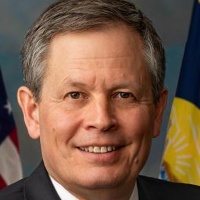
Steve Daines
Senator
MT
The Cooperative Watershed Management Program Reauthorization Act of 2026 extends and enhances federal support for local watershed restoration efforts through 2031. This legislation expands grant eligibility to include Indian tribes, increases funding caps for planning projects, and prioritizes communities facing significant impacts from drought and wildfires. Additionally, the bill streamlines program administration to improve access to technical assistance and project funding.
Watershed Management Bill Boosts Planning Grants to $150,000 and Prioritizes Disaster-Prone Regions Through 2031.
The Cooperative Watershed Management Program Reauthorization Act of 2026 is essentially a major upgrade for local groups trying to protect their water sources. It authorizes $40 million in annual funding from 2027 through 2031, focusing on the folks on the ground who are dealing with the messy realities of drought and wildfire. By expanding the definition of who can lead these projects, the bill brings Indian tribes and groups with ancestral land ties directly into the fold, ensuring those with the deepest history with the land have the resources to manage its future.
Bigger Budgets for Better Planning
If you’ve ever tried to get a community project off the ground, you know the first phase is often the hardest. This bill bumps the maximum 'Phase One' planning grant from $100,000 to $150,000 per year. It also recognizes that complex environmental planning doesn't always happen on a tight 12-month schedule; the Secretary can now extend these grants for two additional years if a group is doing good work (Section 2). For a local non-profit or a tribal council, this means more breathing room to hire engineers or grant writers to actually get a project ready for construction without running out of cash halfway through the design process.
Prioritizing the Hot Zones
Climate change isn't hitting every zip code the same way, and this legislation acknowledges that by adding a 'significant need' clause. Groups dealing with the aftermath of natural disasters like wildfires or chronic drought move to the front of the line for eligibility. This is a practical shift for people living in the West or in fire-prone areas; it means federal dollars are directed toward the watersheds that are literally at a breaking point. The bill also clears up exactly what you can spend the money on, specifically listing technical assistance like feasibility studies and preliminary environmental reviews (Section 2).
Cutting Through the Red Tape
For the busy professionals and local leaders who usually find federal grants to be a bureaucratic nightmare, there’s some good news in the administration section. The bill requires the Secretary to evaluate applications multiple times a year rather than just once. This 'rolling' approach means a community hit by a sudden disaster doesn't have to wait 11 months for the next application window to open. Plus, by requiring annual program reports to be made public, the bill adds a layer of transparency so we can actually see where that $40 million is going and which watersheds are seeing real improvement.