The Small Business Liberation 2.0 Act provides financial relief, duty exemptions, and price-gouging protections to help small businesses navigate the economic impact of new or planned federal tariffs.
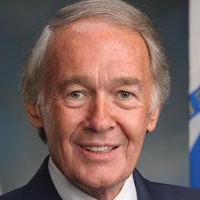
Edward "Ed" Markey
Senator
MA
The Small Business Liberation 2.0 Act provides financial relief and tariff exemptions to small businesses impacted by sudden, widespread import duty increases. The bill also empowers the Federal Trade Commission to prevent price gouging by larger entities on goods affected by these tariffs. Additionally, it mandates annual reporting to monitor market pricing and the effectiveness of federal enforcement efforts.
Small Business Liberation 2.0 Act: 125% Tariff Relief for Local Shops and New Price-Gouging Rules for Big Retail
If you’re running a small machine shop or importing specialty goods, you know that a sudden shift in trade policy can wreck your margins overnight. This bill aims to create a massive safety net for the little guys while putting the squeeze on big corporations that might use tariffs as an excuse to hike prices. Starting as early as 2026, the Small Business Liberation 2.0 Act would exempt small businesses from certain import duties and even hand out cash payments to cover 125% of the cost increases caused by new tariffs. It’s a bold attempt to keep local businesses afloat when global trade wars heat up.
The Small Business Stimulus
Under this plan, the Federal Trade Commission (FTC) becomes a sort of insurance agent for small firms. If the government announces new tariffs in five or more categories within a month—what the bill calls a "duty-related shock"—eligible small businesses can apply for relief. For example, if a local bike shop owner sees the cost of imported frames and gears spike due to new 2026 tariffs, they could receive a payment covering their extra costs plus a 25% kicker to help manage the headache (SEC. 1). Additionally, small businesses would be entirely exempt from certain balance-of-payment duties and could even get refunds for duties they’ve already paid (SEC. 3).
A Crackdown on 'Unreasonably High' Prices
While small businesses get a pass, the rules for big-box retailers and large manufacturers are getting a lot stricter. The bill bans these larger companies from selling goods at "unreasonably high" prices for five years after a tariff is announced (SEC. 4). What counts as unreasonable? Basically, if a big company raises prices by more than the actual cost of the tariff, they’re in the hot seat. The bill even assumes a company is guilty if they have "unfair leverage" and raise prices above their 180-day average during a trade shock. It puts the burden on the big guys to prove they aren't price gouging, which could mean more stable prices for you at the checkout counter but a lot more paperwork and legal risk for major employers.
The 'Planned Duty' Gray Area
One of the trickier parts of this bill is how it handles "planned duties." A price-gouging violation can be triggered just by a "public written or spoken statement" from a senior official about a future tariff (SEC. 2). Imagine a President mentions a potential tariff on a Sunday talk show; suddenly, large companies are legally restricted in how they price those goods before the tax even exists. This could lead to a lot of confusion in the supply chain. To keep tabs on this, the Bureau of Labor Statistics will start hunting for these price hikes in their data, and the FTC will set up a hotline for you to report suspicious price jumps at your local big-box store (SEC. 4, 5).
Who Wins and Who Pays?
The clear winners here are small manufacturers and importers who get a financial cushion and a competitive edge since they aren't subject to the same price-gouging caps as their larger rivals. However, the 125% reimbursement model is a significant taxpayer-funded commitment that lasts for 10 years. For the average consumer, this could mean more stable prices on everyday goods from large retailers, but it might also lead to some weird market gaps if large companies decide the legal risk of selling certain tariffed goods isn't worth the potential FTC investigation or a lawsuit from a State Attorney General.