The AADAPT Act expands grant eligibility and funding to increase access to specialized dementia care training and services.
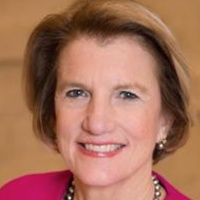
Shelley Capito
Senator
WV
The AADAPT Act aims to improve dementia care by expanding grant eligibility to a broader range of public and nonprofit health entities. By explicitly including dementia care in the scope of supported services, the bill seeks to increase provider training and enhance health outcomes for patients.
AADAPT Act Expands Federal Grants to Boost Dementia Care Training and Provider Access
The Accelerating Access to Dementia and Alzheimers Provider Training (AADAPT) Act is a straightforward update to the Public Health Service Act aimed at beefing up our healthcare system’s ability to handle cognitive decline. By amending Section 330N, the bill does two main things: it opens the door for a wider variety of public and nonprofit organizations to grab federal grant money, and it officially adds 'dementia care' to the list of approved services these funds can support. Currently, these grants focus on areas like palliative care; this bill ensures that Alzheimer’s and dementia get the same level of institutional backing.
Widening the Net for Local Care
Under the current rules, the pool of who can apply for these specific healthcare capacity grants is somewhat restricted. The AADAPT Act expands eligibility to include a broader range of 'public or nonprofit private entities.' For you, this means the local nonprofit clinic or the community health center down the street might suddenly have the green light to apply for federal backing that was previously out of reach. By diversifying who gets the funding, the bill aims to put specialized knowledge into more hands, especially in community-based settings rather than just large academic hospitals.
Specialized Training for a Growing Need
The most significant tweak is the literal insertion of the words 'dementia care' into the law. This isn't just a vocabulary change; it’s a funding trigger. When a healthcare provider receives a grant under this section, they use it to train staff and expand their 'capacity'—basically, their ability to treat patients effectively. For a family caregiver struggling to find a primary care doctor who actually understands the nuances of Alzheimer’s, this provision is designed to bridge that gap. It’s about making sure that when you take a loved one to a local clinic, the staff has the specific training required to manage complex cognitive symptoms.
Real-World Reach and Implementation
Because this bill builds on the existing 'Expansion of Capacity for Health Outcomes' framework, the rollout shouldn't require reinventing the wheel. It uses established grant pipelines to funnel resources into training. For a nurse practitioner in a rural area or a social worker at a city nonprofit, this could mean access to better diagnostic tools and management protocols funded by these expanded grants. While the bill itself doesn't slash the cost of care directly, it targets the 'bottleneck' problem: the fact that there simply aren't enough trained professionals to go around as the population ages. By making dementia care a priority for federal grants, the goal is to make specialized support a standard feature of local healthcare rather than a luxury.