The GAAME Act of 2026 mandates and expands access to sequential, standards-based arts and music education within Title I schools to ensure a well-rounded academic experience for all students.
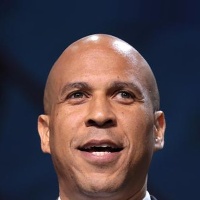
Cory Booker
Senator
NJ
The GAAME Act of 2026 mandates that schools receiving Title I funding provide students with sequential, standards-based arts and music education taught by certified professionals. By amending the Elementary and Secondary Education Act, the bill ensures these programs are integrated into school-wide curricula and targeted assistance plans to support a well-rounded education.
GAAME Act of 2026 Mandates Arts and Music Education in Title I Schools: Certified Teachers Required for All Students
The GAAME Act of 2026 is designed to change the baseline for what a 'well-rounded education' looks like in America’s federally funded schools. By amending the Elementary and Secondary Education Act of 1965, this bill requires schools operating Title I programs—which serve high concentrations of students from low-income families—to include sequential, standards-based arts and music education in their core curriculum. Under Sections 2 and 3, these subjects are no longer just 'nice-to-have' extras; they must be taught by certified educators or community arts providers and aligned with state academic standards. This ensures that a student’s zip code doesn’t determine whether they get to learn an instrument or study theater.
More Than Just Finger Painting
This legislation specifically defines 'arts' to include dance, media arts, theater, and visual arts, moving beyond traditional drawing classes to include modern digital skills (Section 4). For a parent with a child in a Title I school, this means their kid will have access to the same structured creative outlets as students in wealthier districts. Instead of occasional workshops, the bill mandates 'sequential' instruction, meaning the curriculum must build on itself year after year. This professionalization of the arts is backed by a requirement for certified teachers, ensuring that students are receiving high-quality instruction rather than just supervised playtime.
Flexibility for Struggling Schools
For schools that don’t run full school-wide programs but instead use 'targeted assistance' for specific at-risk students, the bill opens up new ways to use federal money. Sections 4 and 5 allow these schools to use Title I funds to provide programmatic assistance for music and arts. In practice, this means a school could use federal dollars to hire a certified music teacher or buy instruments if they can show it helps address the academic needs of their students. It’s a move that treats creative education as a tool for academic success rather than a distraction from it.
The Reality of the Rollout
While the bill is clear on the 'what' (low vagueness regarding the subjects and teacher certifications), the 'how' might be a hurdle for some districts. Small or rural school districts with tight budgets may find it challenging to recruit and pay for certified arts and music specialists if they don't already have them on staff. While the bill allows for Title I funds to be used for these programs, those funds are often already stretched thin covering math and reading interventions. The long-term impact will likely depend on whether schools can find enough certified instructors to meet this new federal standard without cutting back in other critical areas.