This act reauthorizes funding for the Tropical Forest and Coral Reef Conservation program at $20 million annually from fiscal years 2028 through 2032.
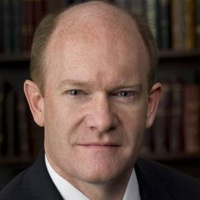
Christopher Coons
Senator
DE
The Tropical Forest and Coral Reef Conservation Reauthorization Act of 2026 extends the existing conservation program by authorizing $20 million in annual funding from fiscal years 2028 through 2032. This legislation ensures continued financial support for the protection and preservation of vital tropical forest and coral reef ecosystems.
New Conservation Bill Commits $100 Million to Protect Global Forests and Coral Reefs Through 2032
The Tropical Forest and Coral Reef Conservation Reauthorization Act of 2026 is a straightforward extension of a long-standing environmental program. The bill sets aside a steady $20 million annually for five years, starting in fiscal year 2028 and running through 2032. Its primary goal is to keep the wheels turning on international debt-for-nature swaps—a system where the U.S. allows developing countries to redirect debt payments toward local conservation projects rather than sending that money back to the U.S. Treasury.
Paying Down the Planet’s Debt
This legislation essentially acts as a financial bridge for global ecosystems. By authorizing $20 million per year (Section 2), the bill ensures that non-profits and international researchers have a predictable budget to work with. For someone working in the travel industry or even a local dive shop owner, this matters because coral reefs are the backbone of global marine biodiversity and tourism. The bill doesn't create new taxes or complicated red tape for U.S. citizens; instead, it uses existing diplomatic and financial channels to protect the 'lungs of the planet' and the 'nurseries of the sea.'
Stability in the Long Game
Conservation isn't something you can do in a single weekend; it requires years of monitoring and steady funding. By locking in these amounts through 2032, the bill avoids the 'start-stop' cycle that often plagues government programs. For a small business owner in the U.S. who relies on global supply chains—like those in the timber or pharmaceutical industries—protecting these resources helps maintain a stable global environment. Because the bill is highly specific about the dollar amounts and dates, there’s very little guesswork involved in how this money will be allocated over the next decade.