The Community TEAMS Act of 2026 establishes a grant program to expand community-based medical training in rural and medically underserved areas to increase long-term physician practice in high-need communities.
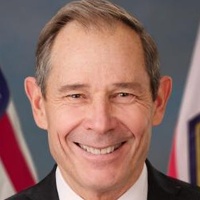
John Curtis
Senator
UT
The Community TEAMS Act of 2026 establishes a new grant program to expand community-based clinical training for medical students in rural and medically underserved areas. By fostering partnerships between medical schools and local healthcare facilities, the bill aims to increase access to quality care and encourage long-term physician practice in high-need communities. Additionally, the legislation extends federal funding for these vital health programs through 2030.
Community TEAMS Act of 2026: New Grants to Place Medical Students in Rural Clinics Through 2030
The Community TEAMS Act of 2026 aims to fix the 'doctor desert' problem by getting medical students out of big city hospitals and into the rural and underserved clinics that actually need them. By amending Section 330A of the Public Health Service Act, the bill sets up a grant program that funds clinical rotations lasting anywhere from one to five years. It is a strategic move to show future doctors the ropes in small-town clinics and federally qualified health centers, betting on the idea that if a student trains in a community, they are far more likely to set up shop there permanently. Beyond just creating new opportunities, the bill also keeps the lights on for existing rural health initiatives by extending their funding authorization through 2030.
Training Where It Matters
Under this plan, the Director of the Health Resources and Services Administration (HRSA) will hand out grants to 'consortia'—basically a team-up between a medical school and a local health facility like a rural clinic or a community health center. For a medical student, this means instead of just reading about rural medicine in a textbook, they could spend a semester in a town where the nearest specialist is two hours away. For a resident in a medically underserved area, it means more hands on deck at the local clinic and a better chance that a new doctor will eventually move in next door. The bill requires these programs to have a 'sustainability plan' (Section 2), meaning they have to prove they can keep the program running even after the federal check stops coming.
Accountability and the Long Game
This isn't just a blank check for schools; the bill is pretty specific about the paperwork. Applicants have to work with their State office of rural health and explain exactly why they need federal cash and how they’ll measure success. They are required to show how the project will actually improve care for the local population and maintain 'continuous quality improvement.' While the bill is clear on the goals, the real-world challenge lies in the follow-through—ensuring these rotations actually turn into long-term jobs. If you are a patient in a high-need area, this bill is a play to ensure your local clinic isn't just a revolving door of temporary staff, but a training ground for the person who might become your primary care physician for the next twenty years.