This act enhances the Hurricane Forecast Improvement Program to advance hurricane prediction, communication, and research through improved modeling, innovative technology, and expanded data analysis.
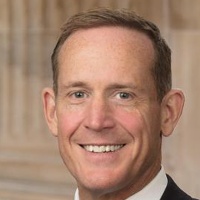
Ted Budd
Senator
NC
The Hurricane Forecast Improvement Program Enhancement Act strengthens national hurricane preparedness by advancing research into forecasting, storm intensity, and inland flooding. The bill mandates the integration of innovative technologies and social sciences to improve public warnings and reduce the loss of life and property. Additionally, it requires annual reporting to Congress to ensure transparency and accountability in hurricane modeling and operational readiness.
Hurricane Forecast Improvement Act Mandates Better Storm Surge Tracking and New Tech by 2029
The Hurricane Forecast Improvement Program Enhancement Act directs the National Oceanic and Atmospheric Administration (NOAA) to overhaul how we predict and communicate storm threats. By amending the Weather Research and Forecasting Innovation Act of 2017, the bill sets a firm mandate to improve the accuracy of hurricane intensity changes and path projections. It specifically targets the 'deadly' variables that often catch people off guard, such as rapid intensification and inland flooding. For a homeowner in a coastal flood zone or a small business owner inland, this means the difference between a vague warning and precise data on whether a storm will turn a crawl space into a swimming pool. The bill requires NOAA to use social and behavioral sciences to ensure these warnings actually make sense to the public, moving away from jargon and toward clear, actionable risk communication.
Tech Upgrades and Real-World Data
To get these better numbers, the bill pushes for a serious tech upgrade. Section 2 authorizes the use of uncrewed systems (like ocean drones), new sensor technologies, and even instruments on commercial aircraft to gather data. It also mandates the expansion of cloud computing to handle high-resolution modeling. Think of it as moving from a grainy, standard-definition weather map to a 4K live stream of the atmosphere. For people working in logistics or construction, more accurate 'probabilistic' forecasting—which calculates the likelihood of various outcomes—allows for better planning days in advance, potentially saving thousands in unnecessary prep costs or preventing a dangerous last-minute evacuation.
Accountability and the Workforce
The legislation doesn't just ask for better science; it demands a paper trail. Every year until 2029, NOAA must submit a report by June 1—just as hurricane season kicks off—detailing any missed mission requirements and explaining why certain forecaster requests weren't met. This is a direct attempt to fix the 'bureaucratic lag' that can happen during active emergencies. Furthermore, the bill requires a workforce management plan to address personnel shortages. If there aren't enough pilots or technicians to fly data-gathering planes into a storm, the bill requires a public explanation and a strategy to fill those gaps, ensuring that the people responsible for our safety have the staff they need to do the job.