This bill establishes a politically balanced National Council on African American History and Culture within the National Endowment for the Humanities to advise on policy, monitor preservation efforts, and report on the celebration of African American history and culture.
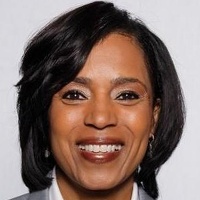
Angela Alsobrooks
Senator
MD
This bill establishes the National Council on African American History and Culture within the National Endowment for the Humanities. The Council will consist of 12 Presidentially appointed members tasked with advising on national policy related to African American history and culture. Its duties include preparing annual reports, monitoring related organizations, and recommending policies to foster understanding and preservation of this history. The Council is set to terminate 10 years after the Act's enactment.
National Council on African American History and Culture Act of 2026: 12-Member Bipartisan Board to Shape Federal Preservation and Policy
The National Council on African American History and Culture Act of 2026 creates a dedicated 12-member council within the National Endowment for the Humanities (NEH). This group isn't just a casual committee; it’s a high-level body appointed by the President and confirmed by the Senate, tasked with a 10-year mission to evaluate how the federal government preserves and celebrates African American history. For anyone who has ever visited a local history museum or used educational resources from the NEH, this bill is the new 'brain trust' that will determine which stories get told and how national policy supports cultural preservation through 2036.
A Balanced Boardroom
The bill sets a very specific table for who gets to make these decisions. Under Section 2, the Council must be split exactly down the middle: six Democrats and six Republicans. This 50/50 split is designed to prevent the Council from becoming a political football, but it also means that nine members are required for a quorum to even hold a hearing. In the real world, this means if four members decide to skip a meeting, the whole operation grinds to a halt. The members themselves must be private citizens—think historians, curators, or community leaders—rather than government bureaucrats, and they’ll be paid roughly half the daily rate of a senior federal executive for their time. This ensures that the people shaping policy are actual practitioners in the field, not just career politicians.
The Power of the Pen
What will this Council actually do on a Tuesday morning? According to the 'Council Duties' section, they are responsible for auditing the NEH’s current programs and monitoring trends in museums and cultural organizations across the country. They aren't just looking at old books; they are tasked with determining if new national policies are needed to support these efforts. For a small-town museum director or a teacher looking for better historical archives, this Council could be the bridge to more federal support and clearer national standards. They will report directly to the President and the NEH Chairperson, making them the primary influencers on where federal energy and funding might flow in the cultural sector.
Potential for Gridlock or Growth
While the bill aims for 'equitable representation' of women, people of color, and individuals with disabilities, the mandatory 6-6 partisan split is the big 'if' in this equation. On one hand, it guarantees that any policy recommendation has broad support across the aisle. On the other hand, we’ve all seen how hard it is to get 12 people to agree on a lunch order, let alone national cultural policy. If the Council can find common ground, they have the power to modernize how we protect historical sites and fund cultural education. If they can’t, we might see a decade of 'tie votes' that leave local organizations waiting for the guidance and resources they need. Because the Council is set to terminate after 10 years, they are essentially on a deadline to prove that this bipartisan model can actually deliver results for American history.