The SPARK Act establishes two new Small Business Administration programs to boost economic growth in underserved communities by funding local entrepreneurial support organizations and providing direct grants and low-interest loans to minority-owned, rural, and other disadvantaged small businesses.
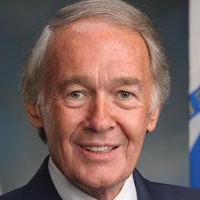
Edward "Ed" Markey
Senator
MA
The SPARK Act establishes two new Small Business Administration (SBA) programs—the Spark Program and the Spark Financing Program—to boost economic growth in underserved communities. These programs aim to increase access to capital and support for small businesses owned by women, minorities, and those in rural areas through funding for local accelerators, incubators, and direct grant/loan assistance. The legislation seeks to close existing gaps in funding and resources that hinder success for entrepreneurs in economically distressed areas.
SPARK Act Proposes $500,000 Annual Boost for Local Business Hubs and $20,000 Direct Grants for Underserved Entrepreneurs
The SPARK Act is a federal push to pump resources into the neighborhoods that usually get left behind by the traditional venture capital machine. By establishing the Spark Program within the Small Business Administration (SBA), the bill aims to fund local incubators and accelerators through five-year agreements worth at least $500,000 annually. It is specifically designed to bridge the massive gap in funding for rural areas, which currently receive less than 1% of venture capital, and for minority-owned startups that face double the denial rates of their peers. The bill requires the SBA to get these programs running within one year, focusing on everything from one-on-one counseling to formal mentorship for businesses in high-distress zones.
More Than Just Advice
While business advice is great, the SPARK Act acknowledges that cash is often the real bottleneck. Section 5 creates a 'Spark Financing Program' where the SBA sends money to local partners like community banks or non-profits. These partners then turn around and offer direct grants of up to $20,000 to eligible small businesses. If you are a veteran starting a shop in a rural town or a formerly incarcerated individual launching a tech startup, this program is built for you. It also pushes for 'low-to-no' interest loans with lower collateral requirements, meaning a business owner who doesn't own a home to put up as security might finally have a shot at a professional expansion loan.
Local Roots, Federal Oversight
This isn't just a top-down mandate; it relies on 'place-based' initiatives. To get the $500,000 yearly funding, an organization—like a community college or a local non-profit—must show they have deep ties to the local business community and a plan to serve 'underserved groups.' This includes women, people with disabilities, and businesses where at least half the staff lives in low-income neighborhoods. The bill is quite specific about who qualifies, targeting 'Federally Recognized Areas of Economic Distress' like HUBZones and recent disaster areas. For a local entrepreneur, this could mean having a well-funded resource center just down the street instead of having to drive three hours to the nearest big city.
Keeping the Receipts
Because the bill involves significant taxpayer money, it includes some 'fine print' protections. The SBA is required to perform annual financial exams on every organization receiving funds to make sure the money is actually helping businesses grow rather than just padding administrative salaries. There are also 'clawback' provisions in Section 6, which are essentially a legal 'undo' button that allows the government to snatch back funds if fraud is discovered. While the bill is heavy on reporting—requiring data on everything from job creation to the race and gender of business owners—it also includes strict privacy rules to ensure an individual business owner’s personal contact info isn't leaked during these audits.