This Act prohibits the consideration of political factors in federal investigations and prosecutions, institutes grand jury reforms, bars White House influence on charging decisions, and establishes mandatory reporting requirements for violations.
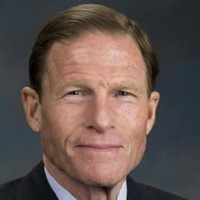
Richard Blumenthal
Senator
CT
The Prohibiting Political Prosecutions Act of 2026 aims to safeguard the integrity of federal law enforcement by explicitly barring political considerations from investigations and prosecutions. It mandates sworn attestations from officials confirming that legal actions are not politically motivated and establishes a right for individuals to sue for violations. Furthermore, the bill introduces significant grand jury reforms and prohibits direct influence over charging decisions by the White House.
Prohibiting Political Prosecutions Act of 2026: New Safeguards Shield Citizens from Politically Motivated Investigations and Lawsuits
The Prohibiting Political Prosecutions Act of 2026 aims to build a firewall between the federal justice system and the world of politics. Under Section 2, federal investigators and prosecutors would be strictly prohibited from considering a person’s political beliefs, activities, or associations when deciding whether to launch an investigation or file charges. To back this up, every criminal complaint or search warrant application would require a formal attestation from officials—ranging from the FBI Director to line prosecutors—stating they aren't aware of any political motivation behind the action. If you’re a local activist or a business owner who speaks out on policy, this means the law is looking to ensure your federal paper trail is based on facts, not your voter registration.
Putting the 'Justice' Back in DOJ
For the first time, this bill creates a direct right to sue under Section 530E. If a citizen is investigated or prosecuted in violation of these rules, they can take the specific officials involved to court for damages in their individual capacity. This shifts the risk from the taxpayer to the individual government employee, creating a massive incentive for agents and attorneys to keep things by the book. Think of it as a professional liability check for federal law enforcement; if an agent targets you just to 'send a message' about your political stance, they could be personally on the hook for the fallout.
Grand Jury Transparency and Fairness
Section 3 of the bill overhauls how grand juries—the groups of citizens who decide if a case should go to trial—receive information. Currently, the government doesn't always have to show the 'other side' of the story during this phase. This bill changes that, requiring prosecutors to tell the grand jury about any evidence that might show the person is not guilty or any information that makes a witness look unreliable. For someone caught in a high-stakes legal battle, this ensures the grand jury isn't just hearing a one-sided sales pitch. Additionally, defendants gain the right to see the vote count, and judges are empowered to toss out indictments if they find the prosecution was fueled by political bias rather than solid evidence.
Cutting the Cord to the White House
To prevent the Justice Department from becoming a tool for any administration, Section 4 bans the President and White House staff from giving instructions on specific criminal cases. This is paired with Section 5, which creates a strict 'whistleblower' style reporting system. If a DOJ employee notices political bias creeping into a case, they must report it to the Inspector General, who then has just five days to notify Congress. For the average person, this means that whether you’re a coder in Silicon Valley or a contractor in the Midwest, the federal government’s power to arrest and prosecute is legally distanced from the whims of whoever happens to be sitting in the Oval Office at the time.