This bill mandates a comprehensive report and public index of all federal criminal statutory and regulatory offenses, including prosecution data and *mens rea* requirements.
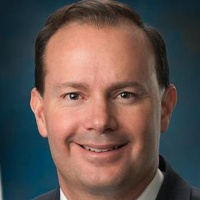
Mike Lee
Senator
UT
The Count the Crimes to Cut Act mandates a comprehensive accounting of all federal criminal offenses, both statutory and regulatory. It requires the Attorney General and numerous federal agencies to report detailed information on these crimes, including penalties and prosecution history. Finally, the bill mandates the creation of public, online indexes for all identified criminal offenses.
Count the Crimes to Cut Act Mandates First-Ever Public Index of All Federal Crimes and Regulations by 2026
The federal government is finally being asked to count its own rules. The 'Count the Crimes to Cut Act' requires the Attorney General and dozens of federal agencies to create a comprehensive, public list of every single federal law and regulation that carries a criminal penalty. Within one year, the Department of Justice (DOJ) and agencies ranging from the EPA to the SEC must hand over a detailed report to Congress listing every crime on the books, including the specific 'mens rea'—a legal term for the mental state required to be guilty, like whether you acted 'knowingly' or 'recklessly.' By the two-year mark, this entire database must be posted online for anyone to browse, free of charge.
Mapping the Legal Maze
Think of this as a massive inventory project for the American legal system. Right now, it is surprisingly difficult for a regular person—or even a lawyer—to say exactly how many federal regulations could land them in handcuffs. Under Section 2, the DOJ has to look back over the last 15 years and disclose how many times they actually prosecuted people for these specific crimes. For a small business owner navigating complex shipping rules or a contractor dealing with environmental permits, this index could be the difference between accidentally breaking an obscure rule and staying in the clear. It moves the 'fine print' of federal law out of dusty archives and onto a searchable website.
Accountability Without the Price Tag
One of the most interesting parts of this bill is the 'Rule on Funding' tucked at the end. It explicitly states that Congress isn't authorizing any new money to get this done. This means the DOJ and the 30+ listed agencies—including the Department of Agriculture and the FCC—have to use their existing budgets to audit their own regulations. While this is great for taxpayers who don't want to see a massive new spending bill, it puts a significant administrative burden on agency staff who now have to comb through decades of regulatory history to meet the one-year deadline for the initial report.
Why the Mental State Matters
By forcing agencies to list the 'elements' and 'mental state' for every offense, the bill highlights a common frustration: the fear of being prosecuted for a 'paperwork' mistake. If you’re a farmer or a tech worker, knowing whether a regulation requires you to have 'intended' to break the law versus simply making a mistake is a huge deal. This bill doesn't change the laws themselves, but by putting the prosecution numbers and the 'mens rea' requirements side-by-side in a public index, it makes it much easier to see which agencies are aggressively pursuing minor regulatory slips versus serious criminal intent.