This bill establishes a pilot program to provide competitive federal grants for local job guarantee initiatives in high-unemployment areas, ensuring all eligible residents are offered a job with specified wages and benefits.
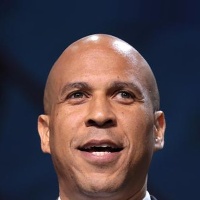
Cory Booker
Senator
NJ
The Federal Jobs Guarantee Development Act of 2026 establishes a pilot program offering competitive grants to local entities in high-unemployment areas to create guaranteed jobs for all eligible adult residents. These guaranteed jobs must meet strict standards for wages, benefits, and working conditions, while also providing supportive services for participants. The bill mandates rigorous reporting and evaluation to assess the program's impact on employment, poverty, and economic indicators.
Federal Jobs Guarantee Pilot to Launch in 15 High-Unemployment Zones: Guaranteed Work, $15+ Wages, and Full Benefits Proposed for 2026.
The Federal Jobs Guarantee Development Act of 2026 aims to eliminate the 'job hunt' for residents in the country’s most economically distressed areas. By establishing a pilot program, the bill authorizes the Secretary of Labor to award competitive grants to 15 local or Tribal governments where unemployment is at least 150% of the national average. In these selected zones, the government effectively becomes the employer of last resort: if you are an adult resident and you apply, the program must provide you with a job. These aren't just 'make-work' positions; the bill mandates they pay the highest of the local prevailing wage or the federal minimum, include health insurance on par with federal employees, and provide paid family and sick leave. (Sec. 2).
More Than Just a Paycheck To ensure people can actually show up and succeed, the bill allows grant money to cover 'supportive services' that usually act as barriers to employment. This means if you're a single parent in a pilot area, the program can help fund childcare or transportation to get you to the site. It also earmarks funds for adult literacy, financial coaching, and specific 'reentry support' for people with criminal records who often find themselves locked out of the traditional job market. The bill even includes a provision for up to eight weeks of paid training before you start, ensuring that if you're moving from a retail background into a new field like clean energy or senior care—two of the bill’s 'national priorities'—you aren't flying blind (Sec. 2).
The Fine Print for Local Businesses and Workers For those worried about the government competing with local shops, the bill includes a 'non-displacement' clause. Under Section 181 of the Workforce Innovation and Opportunity Act, these new guaranteed jobs cannot replace existing employees or impair current union contracts. Essentially, the program is designed to fill gaps in community needs—like sustainable infrastructure or disability services—rather than stealing staff from the local hardware store. Furthermore, to help participants transition back into the private sector, the bill amends the Internal Revenue Code to give a tax break to any private employer who hires someone who has been in the job guarantee program for at least three months (Sec. 2).
Accountability and the Long Game Because this is a pilot, the government is treating it like a massive social experiment. The Department of Labor’s Chief Evaluation Officer is required to track everything from how the program affects local poverty levels to its impact on incarceration rates and public assistance spending. While the bill sets high standards for transparency—requiring annual audits and data broken down by race, age, and gender—the 'Medium' level of vagueness regarding exactly how the 15 sites are chosen means the Secretary of Labor holds significant power in deciding which communities get the first shot. If a local government is caught faking their employment data to stay in the program, they are immediately cut off and forced to repay the funds.