This bill establishes a collaborative program between the Department of Energy and NOAA to advance weather modeling capabilities through the development and application of next-generation computing technologies.
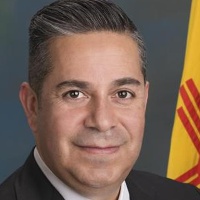
Ben Luján
Senator
NM
This bill establishes a program between the Department of Energy and NOAA to advance weather modeling through the development of new computing technologies. The goal is to accelerate the transition of advanced computing techniques, like AI and high-performance computing, into operational use to improve predictions of high-impact weather events. The legislation mandates collaboration, coordination to prevent duplication, and regular reporting to Congress on progress.
New Weather Act Deploys AI and Supercomputers to Predict Extreme Storms with 5-Year Tech Initiative
The Advanced Weather Model Computing Development Act is a high-tech upgrade for our national forecasting system. It mandates that the Department of Energy (DOE) and the National Oceanic and Atmospheric Administration (NOAA) stop working in silos and start pooling their massive computing power. The goal is simple but ambitious: use artificial intelligence, machine learning, and even quantum computing to get ahead of hurricanes, tornadoes, and extreme heat waves. By moving these advanced techniques out of the lab and into daily operations, the bill aims to give families and businesses more lead time before disaster strikes.
Supercharging the Forecast
This bill focuses on the 'how' behind your weather app. Section 1 directs the DOE to build new software and hardware architectures specifically designed for weather modeling. Think of it like upgrading from a flip phone to a flagship smartphone—it’s about processing massive amounts of data faster than ever before. For a construction foreman trying to decide if it’s safe to pour concrete or a logistics manager rerouting trucks ahead of a flood, these technical tweaks mean the difference between a vague 'chance of rain' and a precise, actionable warning. The bill also pushes for 'agile requirements,' a tech-industry term that basically means the government needs to stop being slow and start making computing decisions that keep up with modern innovation.
Centers of Excellence and Brain Power
To make this happen, Section 4 allows for the creation of up to three 'Centers of Excellence' at National Laboratories. These won't just be ivory towers; they are tasked with forming public-private partnerships to train the next generation of weather-tech professionals. If you’re a grad student in data science or a software engineer at a startup, this could mean new career paths or collaboration opportunities. The bill specifically prioritizes labs that are already close to NOAA facilities, ensuring that the people building the tools are actually talking to the meteorologists who use them. It’s a five-year push to ensure the U.S. doesn't fall behind in the global race for computing dominance.
The Data Handshake
One of the most practical shifts in this legislation is the requirement for a formal Memorandum of Understanding (MOU) between agencies. Section 3 outlines how the DOE and NOAA must share data and 'open community-based software.' For the average person, this means tax dollars are being used more efficiently by preventing the two agencies from buying the same tech twice. While there is a medium level of vagueness regarding which 'nonprofit institutions' or 'other entities' get to participate in the merit-reviewed funding, the bill includes strict reporting requirements to Congress every one to two years to keep the project on track. It’s a strategic bet that better math and bigger computers will lead to fewer surprises when the clouds turn gray.