This bill updates the Patrick Leahy Lake Champlain Basin Program by changing the fiscal agent selection process, authorizing the Great Lakes Fishery Commission to conduct work in the basin, and extending the program's authorization through 2032.
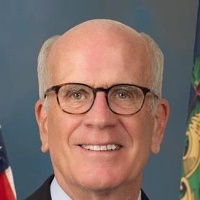
Peter Welch
Senator
VT
The LCBP Enhancements Act of 2026 updates the Patrick Leahy Lake Champlain Basin Program by establishing a new, jointly selected fiscal agent to manage program funds and administration. It also authorizes the Great Lakes Fishery Commission to undertake specific restoration and management work within the Lake Champlain basin. Finally, the bill extends the program's authorization for appropriations through 2032.
Lake Champlain Basin Program Overhaul: New Fiscal Rules and Expanded Fishery Oversight Through 2032
The LCBP Enhancements Act of 2026 is essentially a major administrative tune-up for one of the Northeast's most vital environmental programs. By amending the Federal Water Pollution Control Act, the bill extends the program's life through 2032 and introduces a more rigorous way to manage its money. Instead of sticking with a permanent financial manager, the EPA and the program’s Steering Committee will now jointly select a 'fiscal agent'—the organization that handles payroll and cuts the checks—on a competitive basis every five years. This means if the current manager isn't cutting it, they can be swapped out for someone more efficient, with a strong preference for keeping these jobs and decision-making power right in the Lake Champlain basin.
New Management in the Basin
Under Section 2, the bill moves away from the New England Interstate Water Pollution Control Commission as the default manager. This change introduces a 'check-up' every five years where stakeholders get to weigh in on how well the money is being handled. For a local contractor working on a water restoration project or a small nonprofit receiving a grant, this could mean more responsive administrative support and clearer communication. The bill specifically mandates that the Administrator must report to Congress on why a fiscal agent was kept or changed, adding a layer of transparency to ensure the program's overhead doesn't swallow up the funds meant for the lake itself.
Bringing in the Fishery Experts
One of the most interesting shifts is the new authority given to the Great Lakes Fishery Commission. The bill allows this group to bring their expertise in sea lamprey control and invasive species management directly to Lake Champlain and the Saint Lawrence River basin. If you’re a local fishing guide or someone who spends their weekends on the water, this is a big deal. It means more resources for aquatic research and restoration efforts (Section 2). By letting a proven regional powerhouse like the Fishery Commission collaborate with local universities and agencies, the bill aims to tackle stubborn issues like invasive species with a more coordinated, multi-state strategy.
Long-Term Stability and Local Roots
By extending the funding authorization to 2032, the bill provides a decade of predictability for environmental planning. It also insists that the people running the show stay close to the water they are protecting. The requirement that the fiscal agent be headquartered in the drainage basin—or at least maintain a 'significant staffing presence' there—is a win for local accountability. It ensures that the people making the financial and administrative decisions aren't just looking at spreadsheets in a far-off city, but are part of the community that relies on a clean and healthy Lake Champlain.