This act empowers State Attorneys General to file civil lawsuits in federal court on behalf of residents whose civil rights have been violated by conspiracies or actions under color of law.
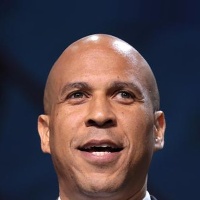
Cory Booker
Senator
NJ
The State Authority to Protect Civil Rights Act empowers State Attorneys General to file civil lawsuits in federal court on behalf of state residents whose civil rights have been violated. This authority specifically applies to conspiracies against rights and deprivations of rights under color of law. Successful lawsuits may result in injunctive relief, compensatory damages, and punitive damages under certain conditions.
State Authority to Protect Civil Rights Act Grants Attorneys General New Power to Sue for Resident Rights Violations
The 'State Authority to Protect Civil Rights Act' creates a significant shift in how civil rights are enforced by giving State Attorneys General the green light to take civil rights cases directly to federal court. Currently, many of these cases rely on federal investigators or private lawsuits, but this bill amends 18 U.S.C. § 241 and § 242 to let state-level officials step in on behalf of their residents. Specifically, if an Attorney General has 'reasonable cause' to believe residents are victims of a conspiracy causing injury or death, or if someone acting 'under color of law' (like a government official) is depriving people of their rights, the state can now sue for damages and court orders to stop the behavior.
New Tools for Justice
This isn't just about filing paperwork; it’s about the muscle behind the lawsuits. Under the bill, courts can award compensatory damages to victims and even punitive damages if a defendant’s conduct is proven to be 'malicious, oppressive, or in reckless disregard' of rights. For a regular person—say, a local resident who feels their rights were stepped on by a city official—this means the state’s top lawyer can now put the weight of their office behind a federal civil case to seek financial relief and permanent injunctions. It effectively adds a local layer of protection when federal resources might be spread too thin to take on every case.
Accountability in Action
The bill targets two specific areas: conspiracies and the abuse of official power. If a group conspires to cause bodily injury or death (Section 241), or if an official uses their badge or position to violate someone's rights (Section 242), the State Attorney General can intervene. For example, if a small business owner is targeted by a coordinated group intent on physical harm, or if a citizen is mistreated by local law enforcement, the state can jump into federal court to demand a stop to the actions and payment for the harm caused. This bypasses some of the hurdles individuals face when trying to fund their own complex civil rights litigation.
Checks and Balances
While the bill grants broad new powers, it keeps the action in federal court, which acts as a filter for the 'reasonable cause' standard required for these suits. The potential challenge lies in how different states might prioritize these cases; one Attorney General might focus heavily on police conduct, while another might focus on private conspiracies. Because the bill has 'low vagueness,' the rules are relatively clear: the state must prove actual injury or the threat of it to win. For everyday people, this means more eyes on the ground watching for civil rights violations, but it also means the local Attorney General’s office just became a much more powerful player in federal legal battles.