This bill establishes a national employer notification service to automatically alert employers when a school bus driver's driving record changes, ensuring timely safety oversight.
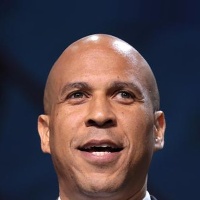
Cory Booker
Senator
NJ
The Miranda Vargas School Bus Driver Red Flag Act establishes a national employer notification service to automatically alert employers when a school bus driver has a significant change in their driving record, such as a conviction or license suspension. This law requires states to implement this service for all commercial drivers with a school bus endorsement within two years of federal regulation. The Act also clarifies that schools and school districts are considered employers under this service and mandates that drivers receive simultaneous notification of any report sent to their employer.
Miranda’s Law Mandates Real-Time Driving Alerts for School Bus Employers to Boost Student Safety
The Miranda Vargas School Bus Driver Red Flag Act, or "Miranda’s Law," creates a national digital safety net designed to keep high-risk drivers off the school bus route. Within one year of enactment, the Secretary of Transportation must finalize a national employer notification service that automatically flags an employer the moment a driver hits a major red flag—think accidents, license suspensions, or moving violations. Once the rules are set, states have a two-year window to get their systems talking to the national database, ensuring that a driver’s record follows them even if they move across state lines. This isn't just about paperwork; it’s about making sure the person behind the wheel of a 15-ton bus full of kids is actually qualified to be there every single day, not just on the day they were hired.
The End of the Annual Honor System
Currently, many employers only check driving records once a year, which creates a massive blind spot if a driver gets a DUI or a reckless driving charge in month two of the school year. Under Section 2 and 3 of the bill, that delay disappears. If you’re a parent, this means your school district (or the private company they hire) gets an automated ping the moment a driver’s license is revoked or they fail to show up for a traffic court date. Because the system provides real-time monitoring, the bill actually cuts some red tape for the schools: Section 3(e) exempts participating employers from the old-school requirement to perform manual annual record inquiries, as the automated system does the heavy lifting for them.
Who’s on the Hook?
This law casts a wide net to ensure no one slips through the cracks. Section 4 clarifies that "employers" include school districts, local education agencies, and private charter schools, whether they own their buses or contract the work out. If a school pays for the ride—whether it’s the daily morning route or a trip to a Friday night football game—they are responsible for being part of this notification loop. For the drivers, there is a built-in fairness check: Section 5 requires that the driver must receive a copy of the safety report at the exact same time it hits their boss’s inbox. This allows drivers to quickly dispute any clerical errors at the DMV before it impacts their livelihood.
Implementation and Accountability
While the goal is safety, the rollout will be a significant tech lift for state motor vehicle agencies. To help with the transition, Section 3 allows states to use federal grant money to cover the costs of linking their systems to the national service. For the busy professional or the trade worker whose kids take the bus every morning, this bill represents a shift toward a "trust but verify" model. It moves school transportation into the digital age, ensuring that a driver’s eligibility is monitored 365 days a year, rather than just during a once-a-year HR audit.