This act mandates the Secretary of Transportation to establish new federal standards for seat belts on all new school buses, prioritizing lap-shoulder belt systems.
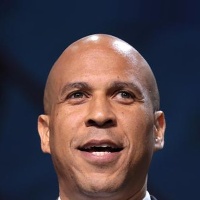
Cory Booker
Senator
NJ
The SECURES Act of 2026 mandates the Secretary of Transportation to establish new federal standards for seat belts on all new school buses within 180 days of enactment. This rulemaking must consider the proven safety benefits of lap-shoulder belts and incorporate innovative detection and reminder systems. The goal is to ensure every child rides on a school bus equipped with the highest level of available restraint protection.
SECURES Act Mandates Federal Seat Belt Standards for All New School Buses Within 180 Days
The SECURES Act of 2026 cuts through decades of debate by requiring the Secretary of Transportation to issue a formal proposal for seat belt standards on all new school buses within 180 days. This isn't just a suggestion; it’s a mandate to create federal rules that apply to every new bus hitting the road, regardless of its weight or size. Under Section 2, the government must specifically look at 'three-point' lap-shoulder belts—the kind you have in your own car—which the National Transportation Safety Board (NTSB) has long argued are necessary to prevent the 'upper body flailing' that causes injuries during a crash.
Safety in the Fast Lane
For parents and school districts, this bill shifts the responsibility from local school boards to federal regulators. Instead of a patchwork of rules where some states require belts and others don’t, this legislation aims for a universal standard. The bill specifically instructs the Secretary to consider 'innovative approaches' like seat belt detection systems and violation alerts. Imagine a bus driver being able to see a dashboard indicator showing exactly which student in row 12 just unbuckled their belt while the bus is moving. This tech-heavy focus suggests that new buses won't just have belts; they’ll likely have the digital infrastructure to make sure kids actually use them.
Lessons from the Road
One of the most practical parts of the SECURES Act is the requirement for federal regulators to study the 'existing experience' of states that already have these laws on the books. This means the new federal rules won't be written in a vacuum; they have to account for the real-world successes and headaches reported by districts already managing belted fleets. For the person managing a local bus depot or the taxpayer concerned about rising equipment costs, this provision is designed to ensure the federal mandate is informed by what actually works on the ground, rather than just what looks good on paper.
The Cost of Compliance
While the bill focuses heavily on the safety benefits, the 'all new school buses' requirement in Section 2 means that every school district in the country will eventually feel the impact as they cycle through their aging fleets. By removing the weight-based exemptions that currently exist for some smaller buses, the bill ensures that a child in a short bus has the same protection as a child in a full-sized one. The 180-day deadline for the proposed rulemaking puts this on a fast track, signaling that the transition to a belted-bus standard is no longer a distant 'maybe' but an imminent change for the automotive and education sectors.