This bill establishes federal criminal offenses for excessive force, theft, and obstruction committed by persons acting under color of law.
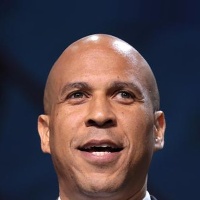
Cory Booker
Senator
NJ
The Under Color of Law Accountability Act establishes new federal criminal offenses for specific misconduct by individuals acting under the color of law. This bill specifically prohibits the use of excessive force, theft of property, and obstruction of justice or evidence by those acting under official authority. It sets clear penalties for these violations, including imprisonment, and addresses related actions like conspiracy and failure to intervene.
Under Color of Law Accountability Act: New Federal Penalties for Police Misconduct and Theft Set to Take Effect
This bill creates a new federal framework to prosecute officials—like police officers, prison guards, or any government agent—who abuse their power. It specifically targets three areas: excessive force, stealing from people in custody, and messing with evidence or recordings. If an official uses force they know is 'objectively unreasonable,' they could face up to 10 years in federal prison, or 30 years if the encounter ends in a death or kidnapping. Notably, the bill also makes it a crime for an officer to stand by and watch a colleague use excessive force without trying to stop it, provided they have the 'duty, opportunity, and ability to intervene.'
The 'Five-Finger Discount' Ends Here
One of the most practical changes involves how officials handle your stuff. Section 1642 makes it a federal crime for someone acting under 'color of law' to steal money or property worth more than $25. Think of a scenario where a person is being booked into jail and an officer pockets a $50 bill from their wallet, or a search of a home results in a 'missing' laptop. Under this bill, that’s not just a local HR issue; it’s a federal offense. If the stolen property is worth over $1,000, the official could spend a decade behind bars. This doesn't stop legal evidence seizure, but it draws a hard line against the casual theft of personal belongings during arrests or searches.
Protecting Your Right to Record
We’ve all seen bystander videos change the course of an investigation, and this bill aims to protect that right. It becomes a federal crime to use threats, force, or even the 'threat of arrest' to stop someone from recording law enforcement in public. It also goes after officials who destroy cameras or delete footage. For example, if you're standing on your own porch filming a traffic stop across the street and an officer tells you to 'delete that or go to jail,' they could be looking at up to 20 years for obstruction. There are common-sense exceptions—officers can still keep you back for safety or protect the identity of undercover agents—but the bill focuses on stopping the intentional destruction of evidence.
Accountability and the Clock
The bill is specific about definitions to ensure the law has teeth but remains fair. 'Excessive force' is defined as force that is 'objectively unreasonable,' a standard that judges will have to interpret based on the specific facts of each case. For those who have suffered at the hands of bad actors in the system, the bill offers a long window for justice. While most of these crimes have a 7-year statute of limitations, there is no time limit at all for cases that result in a death. This means that if new evidence surfaces a decade later about a fatal encounter involving excessive force, federal prosecutors can still bring charges.