This bill mandates cooperation with federal immigration enforcement under threat of funding loss, increases penalties for illegal entry, protects federal officers, and revokes tax-exempt status for nonprofits supporting criminal violence.
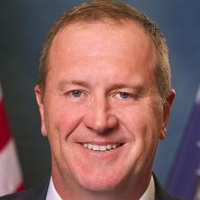
Eric Schmitt
Senator
MO
The Protect America Act is a comprehensive bill focused on strengthening immigration enforcement and penalizing non-cooperation. It mandates that state and local governments cooperate with federal immigration authorities to receive federal funding, increases penalties for illegal entry and reentry, and creates new protections and harsher sentences for assaulting federal officers. Furthermore, the bill revokes tax-exempt status for nonprofits that support criminal violence.
Protect America Act Mandates Local ICE Cooperation: Cities Face Funding Cuts and Lawsuits Starting Immediately.
The Protect America Act is a sweeping overhaul of immigration enforcement that essentially turns federal cooperation into a 'pay-to-play' system for state and local governments. Under Title I, any city or county that limits sharing information with ICE or refuses to honor detainer requests—often called sanctuary policies—will be barred from receiving crucial federal grants for law enforcement, housing, and transportation. Beyond just losing a budget line item, these jurisdictions could face massive financial hits from a new civil liability provision. This allows individuals to sue local governments for damages if they are harmed by a person who was released due to a sanctuary policy, provided the harm was 'foreseeable.'
The High Cost of Non-Compliance For the average resident, this bill hits the wallet and the local infrastructure. If a city loses its Department of Transportation or HUD funding because it refuses to certify compliance with federal immigration mandates, the money for that new bridge or affordable housing complex could vanish overnight. Furthermore, the bill targets the education sector by prohibiting student visas (F and M categories) for any school located in a non-compliant jurisdiction. Imagine a local university losing its international student body—and the tuition revenue they bring—simply because of the city council's policy on ICE detainers. This creates a high-stakes environment where local officials must choose between their community's policy preferences and the federal funds that keep the lights on.
Stiffer Penalties and Mandatory Lock-ups Title II, the 'Stopping Invaders Act,' moves the needle on criminal penalties for crossing the border without authorization. A first-time illegal entry now carries a mandatory minimum of 1 year and up to 5 years in prison, while the civil fine jumps to a staggering range of $25,000 to $100,000. For those with prior removals, the prison time can climb to 20 years. Crucially, the bill mandates detention without bond for anyone charged with illegal entry. This means a person cannot be released while their case is pending, which will likely lead to a significant spike in the local jail and federal detention populations, potentially straining the legal system and increasing the costs of long-term incarceration.
New Rules for Protests and Nonprofits Turning to the streets and the tax books, Title III and IV introduce new risks for activists and charities. The bill creates a federal crime for 'interfering' with federal officers, specifically mentioning the use of loud noises like whistles or megaphones if they impede operations. This could make a standard protest at a federal building a much riskier endeavor. Meanwhile, the 'No Rogue Nonprofits Act' allows the government to revoke the tax-exempt status of any charity found to 'promote' or 'provide material support' for criminal violence. While it includes a nod to First Amendment protections, the broad language leaves a lot of room for interpretation, potentially putting donors’ tax deductions at risk if a nonprofit's advocacy is deemed too close to the line of inciting unrest.