This act terminates three major pandemic unemployment assistance programs established by the CARES Act and rescinds their remaining unspent federal funds.
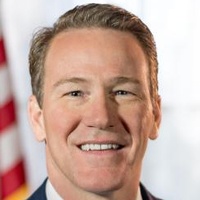
Jon Husted
Senator
OH
The Clawing back Lapsed Obligations from State Emergency programs (CLOSE) Act terminates three major pandemic unemployment assistance programs established under the CARES Act. This legislation rescinds all remaining unspent federal funds designated for Pandemic Unemployment Assistance (PUA), Federal Pandemic Unemployment Compensation (FPUC), and Pandemic Emergency Unemployment Compensation (PEUC). The bill effectively ends federal payments for these emergency unemployment benefits 30 days after enactment.
CLOSE Act Targets Pandemic Safety Net: Three Major Unemployment Programs Face Immediate Termination and Fund Rescissions
The CLOSE Act moves to permanently shut down the remaining machinery of the CARES Act’s unemployment expansion. Within 30 days of this bill becoming law, the federal government would be prohibited from making any further payments under three key programs: Pandemic Unemployment Assistance (PUA), Federal Pandemic Unemployment Compensation (FPUC), and Pandemic Emergency Unemployment Compensation (PEUC). Beyond just stopping the clock on benefits, the bill mandates that any unspent federal money sitting in the Unemployment Trust Fund for these specific programs be canceled and returned to the treasury. While states can still get reimbursed for the paperwork and administrative costs of winding things down, the actual flow of cash to individuals would hit a hard stop.
The End of the Gig Worker Safety Net
For the self-employed, freelancers, and gig workers who aren't typically eligible for standard state unemployment, the PUA program was a historic shift. Under Section 2 of this bill, that safety net is officially dismantled. If you are a graphic designer or a rideshare driver currently relying on these specific federal funds to bridge a gap, the 30-day countdown begins the moment this is signed. The bill is precise: after that window, no more federal benefit payments can be made to individuals, regardless of their circumstances. This isn't a gradual phase-out; it’s a total rescission of the funds that made these payments possible.
Cutting the Supplements and Extensions
The bill also takes aim at the FPUC and PEUC programs, which provided the $600 weekly supplements and extra weeks of coverage for those who exhausted their regular state benefits. Even if a state wanted to keep these specific federal enhancements going, the CLOSE Act prohibits them from entering into any new agreements to do so. For a worker who has been out of the job market long enough to exhaust their standard 26 weeks of state aid, the PEUC repeal means the 'extra time' provided by the pandemic-era rules simply vanishes. The bill ensures that the 'lapsed obligations'—the money Congress previously set aside but hasn't spent yet—cannot be repurposed for future benefits.
Fiscal Housecleaning vs. Individual Impact
From a purely budgetary perspective, this bill acts as a giant 'delete' key for unspent pandemic era appropriations. By canceling these funds, the federal government reduces its outstanding financial obligations and pulls back billions in authorized but unused spending. However, the real-world friction falls on those still navigating the tail end of the pandemic's economic disruptions. Because the bill is so specific about canceling the money in the Unemployment Trust Fund, there is no wiggle room for federal agencies to extend these programs or provide grace periods. It’s a clear signal that the era of federal pandemic unemployment supplements is being legally and financially shuttered.