The Transition-to-Success Mentoring Act establishes a federal grant program to provide at-risk middle school students with success coaches to support their academic, personal, and career development during the transition to high school.
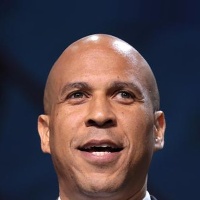
Cory Booker
Senator
NJ
The Transition-to-Success Mentoring Act establishes a federal grant program to support school-based mentoring for at-risk middle school students. By pairing students with trained success coaches, the program aims to improve academic outcomes and facilitate a smooth transition into high school through individualized goal setting and career preparation. Priority is given to high-need communities, ensuring that students in high-poverty, rural, or high-crime areas receive essential guidance and support.
Transition-to-Success Mentoring Act: New Federal Grants to Pair At-Risk Middle Schoolers with Career-Focused Success Coaches
Transitioning from middle school to high school is a make-or-break moment for many kids, and this bill aims to smooth that path by establishing the Transition-to-Success Mentoring Program. Under this plan, the Secretary of Education will award five-year grants to high-need school districts and local nonprofits to hire and train 'success coaches.' These coaches aren't just there for a quick chat; they are required to build a formal, individualized success plan for every eligible student, covering everything from academic goals to career exploration. By Section 2 of the bill, these programs must be active in all middle schools within a participating district, ensuring that students who are struggling with poverty, community violence, or behavioral issues don't fall through the cracks before they even reach the ninth grade.
The Success Coach Game Plan
The bill sets a high bar for what these mentoring relationships look like. According to the mandatory requirements, a success coach has to meet with their student at least once a month and pull everyone into the room—parents, teachers, and counselors—for a progress check every quarter. It’s a bit like having a project manager for a child’s education. For a parent working two jobs, this coach acts as a vital link, signing a written agreement to stay on the same page about the student's goals. The bill also allows funds to be used for real-world exposure, like taking kids on field trips to trade schools, colleges, or job sites, and helping them polish a résumé before they even have their first summer job.
Accountability and the Fine Print
While the program sounds like a win for community support, it comes with a heavy side of paperwork. Grantees are required to track a massive amount of data, including truancy, arrest rates for violent crimes, and even 'social-emotional development' using specific assessment tools. For a small local nonprofit partnering with a school, this reporting load could be a significant hurdle. There’s also some room for interpretation in the bill’s definition of an 'at-risk' student; without a strict federal standard, one district might focus on grades while another focuses on zip codes. However, the bill does mandate rigorous background checks for all coaches—including criminal and child abuse record checks—to ensure that the 'success' in the program’s name is built on a foundation of safety.
Long-Term Impact for Families and Communities
Beyond just getting through middle school, this legislation is playing the long game. By prioritizing programs that offer internships and work shadowing, the bill tries to connect classroom learning to a future paycheck. For a student in a rural or high-poverty area, this might mean the difference between dropping out and discovering a career in coding or construction. The Secretary is also tasked with working with the Office of Juvenile Justice to help students returning from correctional facilities reintegrate into school. It’s an ambitious attempt to wrap a safety net around students during their most volatile years, though its success will ultimately depend on whether schools can find enough qualified mentors to fill these 'success coach' roles.