The Save the Kurds Act designates a terrorist group, subjects Syria's removal from the terrorism sponsor list to Congressional review, and imposes sweeping new sanctions on the Syrian government and its supporters.
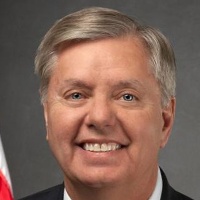
Lindsey Graham
Senator
SC
The Save the Kurds Act mandates the designation of Hayat Tahrir al-Sham as a Foreign Terrorist Organization and imposes sweeping sanctions on the Syrian government, its officials, and international supporters. It also establishes a Congressional review process for any presidential attempt to remove Syria's state sponsor of terrorism designation. The legislation includes humanitarian exceptions but sets strict prohibitions on U.S. financial and commercial engagement with Syria for five years.
Save the Kurds Act: U.S. to Blacklist Syrian Energy Sector and Fast-Track Fentanyl Trafficking Sanctions
The 'Save the Kurds Act' is a massive policy overhaul designed to squeeze the Syrian government's wallet while making a long-term commitment to the Kurdish-led Syrian Democratic Forces (SDF). The bill doesn't just suggest being tough; it mandates a total financial lockdown by banning U.S. investment in Syria, blocking Syrian entities from U.S. stock exchanges, and forcing the Secretary of State to officially label Hayat Tahrir al-Sham as a Foreign Terrorist Organization. It also creates a new legal hammer to strike at the global fentanyl supply chain by freezing the assets of anyone—anywhere—caught manufacturing or financing the trade of these deadly chemicals.
Cutting the Financial Cord
This legislation goes after the gears of the Syrian economy with surgical precision. It orders the President to block the assets of the Central Bank of Syria and any senior official helping the regime stay afloat. For the average person working in international trade or finance, this means the 'no-go' zone just got a lot bigger. The bill specifically targets the energy sector (Section 308), meaning any foreign company helping Syria pump oil or gas could find themselves suddenly cut off from the U.S. banking system. It’s a 'pick a side' move: you can do business with the U.S., or you can help the Syrian energy industry, but you can’t do both.
The Fentanyl Firewall
In a move that connects Middle Eastern policy to the drug crisis hitting American suburbs, Section 2 of the bill targets the money behind fentanyl. It allows the government to revoke visas and freeze the bank accounts of foreign players who provide the 'precursor chemicals' used to make the drug. If you’re a logistics manager or a bank compliance officer, this adds a heavy layer of responsibility to ensure your international partners aren't secretly fueling the opioid trade. The bill even links these traffickers to state sponsors of terrorism, essentially treating drug kingpins with the same severity as insurgent groups.
Checks, Balances, and the Kurdish Connection
One of the most significant shifts is how this bill handles the SDF and the 'State Sponsor of Terrorism' label. For years, the executive branch has had a relatively free hand in diplomacy, but this bill changes the rules. Under Title II, if a President wants to stop calling Syria a terror sponsor, they have to wait up to 120 days while Congress reviews the decision. This 'look-before-you-leap' provision ensures that major shifts in Middle East strategy aren't made behind closed doors. Additionally, while the bill is aggressive, Title IV includes a 'humanitarian pressure valve' that protects the shipment of food and medicine, ensuring that while the regime is squeezed, basic survival supplies for civilians aren't legally blocked.