This bill directs the Secretary of the Interior to conduct a cost-shared feasibility study for the Dakota Mainstem Regional Water Supply Project within two years.
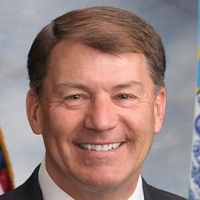
Mike Rounds
Senator
SD
This Act directs the Secretary of the Interior to conduct a feasibility study for the Dakota Mainstem Regional Water System project. The study will assess the viability of supplying municipal, rural, and industrial water across South Dakota, Iowa, Nebraska, and Minnesota. The Federal government will cost-share the study equally (50/50) with the non-Federal entity, Dakota Mainstem Regional Water System, Inc.
Four-State Water Study Act Sets Two-Year Deadline for Regional Supply Plan with $5 Million Budget Cap
The Dakota Mainstem Water Supply Project Feasibility Study Act kicks off a formal investigation into building a massive water system across South Dakota, Iowa, Nebraska, and Minnesota. Rather than jumping straight into construction, this bill requires the Secretary of the Interior to first prove the project actually makes sense for municipal, rural, and industrial use. The study has a strict two-year clock and must follow federal reclamation standards, ensuring we aren't just guessing at the long-term viability of the region's water security.
Splitting the Bill
When it comes to the check, the federal government isn't picking up the whole tab. The bill mandates a 50/50 cost-sharing agreement between the Department of the Interior and a non-federal nonprofit called Dakota Mainstem Regional Water System, Inc. The total cost for this deep dive is capped at $5,000,000, meaning the federal share is limited to $2.5 million for the study itself. For residents and business owners in these four states, this means the groundwork for future infrastructure is being laid with a specific requirement that local entities put skin in the game from day one.
Mapping the Flow
Because this project spans state lines, the study will look at how to move water to diverse areas—from a tech startup in a growing Minnesota suburb to a family farm in rural Nebraska. By referencing 43 CFR part 404, the bill ensures the study evaluates everything from environmental impact to engineering hurdles. While the bill authorizes up to $10,000,000 in potential federal funding, the immediate focus is on that $5 million cap for the feasibility phase. This structured approach aims to prevent "bridge to nowhere" scenarios by requiring hard data before any pipes hit the ground.
The Ten-Year Clock
This isn't an open-ended invitation to study water forever. The bill includes a sunset provision: the authority to conduct this study expires 10 years after the Act becomes law. This creates a "use it or lose it" incentive for the regional water corporation and federal agencies to get moving. For the average taxpayer in the Midwest, this bill represents a relatively low-cost insurance policy—investing a few million now to determine if a multi-billion dollar water grid is a smart move for the region's future economy.