The RURAL Rate Act establishes a minimum payment floor of 1.67 for practice expense and work geographic indices for certain medical services in Alaska starting in 2026.
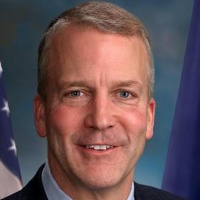
Dan Sullivan
Senator
AK
The RURAL Rate Act establishes a minimum payment floor for certain medical services provided in Alaska, effective January 1, 2026. This bill mandates that the practice expense and work geographic payment indices for these services in Alaska be increased to a minimum value of 1.67 if they would otherwise fall below that threshold.
RURAL Rate Act Mandates 1.67 Minimum Payment Floor for Alaska Medical Services Starting 2026
The RURAL Rate Act is a targeted piece of legislation designed to fix a math problem that has real-world consequences for healthcare in Alaska. Starting January 1, 2026, the bill amends the Social Security Act to change how Medicare pays for medical services in the state. Specifically, it targets two components of the payment formula: the 'work' index (the value of a clinician’s time and skill) and the 'practice expense' index (the cost of keeping the lights on and the office staffed). If either of these geographic adjustments is calculated to be lower than 1.67, the bill requires the Secretary of Health and Human Services to automatically bump them up to that 1.67 floor. By setting this specific baseline, the bill ensures that federal reimbursements better reflect the high cost of doing business in the Last Frontier.
Boosting the Bottom Line for Local Clinics
In the lower 48, a doctor’s office might have lower overhead, but in Alaska, everything from shipping medical supplies to heating a clinic costs more. Under Section 2, the bill addresses this by ensuring that the 'practice expense' index—a multiplier used to adjust payments based on local operating costs—cannot dip below the 1.67 mark. For a small clinic in a place like Juneau or a remote village, this isn't just a technicality; it’s the difference between breaking even and losing money on every Medicare patient they see. By guaranteeing a higher minimum payment, the bill aims to make it financially viable for providers to keep their doors open in areas where high costs might otherwise force them to shut down or stop accepting certain types of insurance.
Keeping Talent in the Tundra
The bill also applies that same 1.67 floor to the 'work' geographic index. This index is supposed to account for the cost of living and the competitive wages needed to attract skilled professionals to a specific area. If you’re a specialist or a nurse practitioner deciding where to set up shop, the high cost of living in Alaska can be a deterrent if the pay doesn't keep pace. By mandating this 1.67 floor, the legislation effectively raises the 'floor' for what the federal government acknowledges as the value of medical work in the state. For a resident in a rural borough, this could mean the difference between having a local specialist available or having to book a flight to Seattle just for a routine follow-up. It’s a direct attempt to use federal payment policy to stabilize the healthcare workforce in a state that faces unique recruitment challenges.