This bill establishes a pilot program to grant funds to schools for offering 100% plant-based meal options and creates a separate pilot to reimburse schools for providing nondairy beverage substitutions.
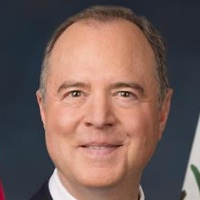
Adam Schiff
Senator
CA
The Plant-Powered School Meals Pilot Act establishes a three-year grant program for eligible school districts to offer 100% plant-based meal options. It also amends existing law to expand meal substitution requirements for students with various dietary needs, including a separate pilot program to reimburse schools for providing nondairy beverages. The legislation aims to increase plant-based food offerings and better accommodate diverse student dietary requirements.
Plant-Powered School Meals Pilot Act Proposes $12 Million for Vegan Options and Nondairy Milk in Classrooms
The school cafeteria menu might be getting a major makeover. This bill establishes a three-year pilot program designed to help schools offer 100 percent plant-based meal options and nondairy milk. With $10 million earmarked for the plant-based food pilot and another $2 million for a nondairy beverage program starting in 2026, the goal is to modernize school lunches for kids with specific dietary needs, religious convictions, or just a preference for veggie burgers over beef. The program specifically targets school districts where at least 50 percent of students qualify for free or reduced-price meals, ensuring that kids in lower-income areas aren't left behind as food trends shift.
More Than Just Salad
This isn't just about putting more broccoli on the tray. The bill defines a "100 percent plant-based food option" as a full meal or component that uses meat substitutes and contains zero animal products—no meat, dairy, or eggs. For a busy school kitchen, switching to plant-based cooking isn't as simple as flipping a switch, so the bill allows grant money to be used for professional development. This means schools can pay for staff training and even compensate employees for the extra time spent learning new recipes. For a local school cook, this could mean getting paid to master plant-based culinary skills that are increasingly in demand. The bill also encourages schools to source these ingredients from "underserved producers," including veteran farmers, organic farms, and local growers, potentially giving a boost to small-scale agriculture in the community.
Choice Beyond the Milk Carton
For decades, the milk carton has been a mandatory fixture of the school lunch tray, but this bill seeks to change the "one size fits all" approach. It expands the rules for meal substitutions, allowing students or parents to request changes not just for medical disabilities, but for any "special dietary need," including religious or moral convictions. To back this up, a separate $2 million pilot program will reimburse schools for the cost of providing nondairy beverages. This is a big deal for the roughly 30 to 50 million Americans who are lactose intolerant; the bill specifically tells the Secretary of Agriculture to prioritize schools with high proportions of these students. It essentially levels the playing field so a student who can't drink cow's milk isn't penalized or left thirsty.
Tracking the Results
Because this is a pilot program, the government is keeping a close eye on the data. Participating schools will have to report exactly how many plant-based meals and nondairy milks they serve compared to previous years. While this creates some extra paperwork for school administrators (a common hurdle in federal programs), it’s designed to see if kids actually want these options before the program is expanded nationwide. The main challenge will be the "medium" level of vagueness regarding how "special dietary needs" are verified—if the process is too bureaucratic, it might be a headache for parents; if it's too loose, schools might struggle to keep up with unpredictable demand. For now, it’s a focused experiment in whether the federal school lunch program can adapt to the diverse diets of modern families.