This bill reauthorizes appropriations for the Fort Peck Reservation Rural Water System by extending the authorization deadlines from 2026 to 2028.
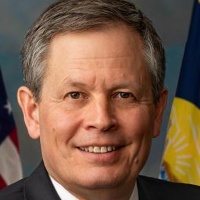
Steve Daines
Senator
MT
This act reauthorizes funding for the Fort Peck Reservation Rural Water System. It extends the authorization of appropriations deadlines from fiscal year 2026 to fiscal year 2028.
Fort Peck Water System Funding Extended: Federal Support Pushed Through 2028
The Fort Peck Water System Reauthorization Act is a straightforward piece of legislative maintenance that keeps the taps running for the Fort Peck Reservation. By amending the original 2000 Act, this bill extends the deadline for federal funding from 2026 to 2028. It is essentially a two-year lease on life for the financial pipeline that supports the Fort Peck Reservation Rural Water System, ensuring that the project doesn't hit a fiscal cliff just as it’s making progress.
Keeping the Taps Flowing
This bill focuses on Section 9 of the existing law, specifically updating the 'expiration date' for appropriations. In plain English, the federal government sets aside specific windows of time where they are allowed to spend money on certain projects. Without this extension, the legal authority to fund the operation and maintenance of the Fort Peck water system would have dried up at the end of fiscal year 2026. By moving that date to September 30, 2028, the bill provides a much-needed buffer for the Assiniboine and Sioux Tribes. For a family living on the reservation, this means the infrastructure that delivers clean water to their kitchen sink stays on the federal priority list for another two years.
Why the Two-Year Extension Matters
Infrastructure projects in rural areas are notoriously slow and expensive. Whether you are a rancher needing reliable water for livestock or a small business owner in a town like Wolf Point or Poplar, consistency is everything. This reauthorization isn't just about the money; it’s about the planning. It allows local managers to sign contracts, schedule repairs, and keep staff employed without the immediate fear that the budget will vanish in 2026. By keeping the authorization active through 2028, the bill ensures that the system can continue to serve its purpose of providing safe, reliable drinking water to a region where water security is a daily reality, not a luxury.