This bill requires the Federal Trade Commission to report on how minors access and purchase fentanyl through social media platforms and recommends solutions to combat this issue.
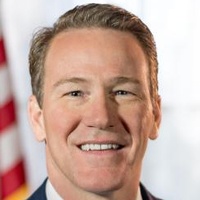
Jon Husted
Senator
OH
The No Fentanyl on Social Media Act requires the Federal Trade Commission to investigate and report on how minors access and purchase fentanyl through social media platforms. This report, developed with key agencies, will detail the risks, marketing tactics used by sellers, and platform design impacts. Ultimately, the legislation seeks recommendations for Congress on how to prevent minors from obtaining dangerous drugs online.
New Federal Mandate Orders FTC to Map Fentanyl Sales to Minors Across Social Media Platforms
The 'No Fentanyl on Social Media Act' is a direct move to pull back the curtain on how illegal drugs are reaching kids through their screens. Instead of jumping straight to new regulations, this bill requires the Federal Trade Commission (FTC) to go on a fact-finding mission. Within one year, the FTC—teaming up with the FDA and DEA—must deliver a comprehensive report to Congress detailing exactly how minors are finding and buying fentanyl, including those dangerous pressed pills that look like standard prescription meds, on apps and social sites.
The Digital Paper Trail
This isn't just a surface-level scan; the bill (Section 2) demands a deep dive into the 'how.' The FTC has to look at how specific platform features—think algorithms, disappearing messages, or search functions—actually help drug sellers market and deliver their products to anyone under 18. For a parent whose teenager is constantly on TikTok or Snapchat, this means the government is finally looking at the specific tech tools that might be making it easier for a dealer to slide into a kid's DMs. The report will also audit what these tech companies are currently doing to stop the trade and, more importantly, whether those efforts are actually working or just window dressing.
Crowdsourcing the Solution
To get the full picture, the FTC can’t just sit in a DC office; they are required to consult with the people on the front lines. This includes parents, medical pros, and law enforcement, as well as the social media companies themselves. For a local ER doctor or a school counselor, this is the mechanism that could eventually turn their real-world observations into federal policy recommendations. The goal is to produce a roadmap for Congress to figure out what laws need to change to shut down these digital marketplaces (Section 2(b)).
Transparency and Its Limits
While the bill aims for public clarity by requiring the report to be posted online, there is a catch. The FTC, after checking in with the Attorney General, can scrub any details that might tip off criminals about law enforcement tactics. It’s a standard safety play, but it means the public version might have some strategic 'black-out' zones. For the average person, this bill functions as a massive diagnostic test: it identifies where the system is breaking down so that future laws can actually hit the target instead of just guessing.