This act empowers state attorneys general to sue on behalf of residents for damages resulting from Sherman Act violations.
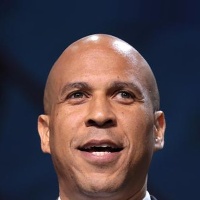
Cory Booker
Senator
NJ
The Fair Competition for Small Business Act of 2025 empowers state attorneys general to file lawsuits on behalf of their residents for damages resulting from violations of antitrust laws. This amendment to the Clayton Act strengthens enforcement by allowing states to seek redress for harm caused by Sherman Act violations.
State Attorneys Get New Power to Sue Big Monopolies for Damages Under Updated Antitrust Law
The Fair Competition for Small Business Act of 2025 is short, but it packs a punch for anyone who worries about mega-corporations squeezing out the little guy—or overcharging consumers. This bill, specifically Section 2, amends the existing Clayton Act (15 U.S.C. 15c(a)(1)) to give state attorneys general a major new tool: the ability to sue on behalf of their state residents for damages caused by violations of the Sherman Act, the country’s primary anti-monopoly law.
The New Sheriff in Town: State AGs
Think of the Sherman Act as the rulebook that keeps companies from rigging the game—things like price-fixing, illegal monopolies, and other anti-competitive behavior. Before this amendment, federal agencies like the Department of Justice were the main enforcers, or individuals and businesses had to bring their own complex, expensive lawsuits. Now, if this bill passes, state attorneys general (AGs) can step in and file suit to recover damages for their residents who were harmed by these illegal actions. For example, if a few large companies in your state are found to have secretly agreed to raise the price of a necessary product, the state AG could sue those companies not just to stop the practice, but to recover the money residents overpaid.
What This Means for Your Wallet and Your Business
This change is about increasing accountability. When anticompetitive behavior happens—say, a tech giant uses its size to crush a smaller competitor, leading to less innovation and higher prices for consumers—it often results in real financial harm to everyday people. This bill provides a more direct, less complicated path for those residents to potentially get reimbursed. For a small business owner who has been undercut or forced out by a larger, monopolistic competitor, this provides a powerful new advocate in the state AG’s office, significantly leveling the playing field against companies with unlimited legal budgets. It essentially puts another layer of enforcement between consumers and corporate bad actors, making it much riskier for large entities to violate antitrust laws.
The Big Picture: More Competition, More Enforcement
By empowering state AGs, the bill ensures that enforcement doesn't just rely on the resources or priorities of federal regulators. This decentralized approach means that if a local market is being harmed, the state has the immediate power to act. While the bill only contains two sections, the second one is a significant procedural shift. It doesn't create new crimes or new rules for businesses; it just expands who can sue for damages when the existing rules (the Sherman Act) are broken. This move is generally seen as a boost for consumer protection and fair markets, making it easier to hold monopolies accountable and potentially encouraging more competitive pricing across various industries.