The Federal Firearm Licensing Act establishes a mandatory federal licensing system for the purchase and possession of firearms, requiring safety training, background checks, and the facilitation of private transfers through licensed dealers.
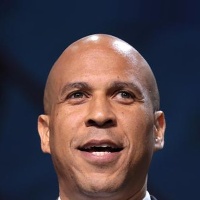
Cory Booker
Senator
NJ
The Federal Firearm Licensing Act establishes a mandatory federal licensing system for the purchase and possession of firearms, requiring applicants to complete safety training and undergo comprehensive background checks. The bill also mandates that all private firearm transfers be facilitated by a licensed dealer to ensure compliance with background check requirements. Additionally, it implements ongoing criminal activity monitoring for license holders and requires the reporting of all firearm transactions to the Attorney General.
Federal Firearm Licensing Act Mandates 5-Year Permits and Background Checks for All Private Sales
The Federal Firearm Licensing Act introduces a major shift in how Americans would buy and keep guns. Under the proposed rules in Section 2, you would be required to obtain a federal firearm purchasing license from the Department of Justice just to buy or possess a firearm. While the law allows for state-level equivalents, the default is a new federal system where each license is valid for only one firearm purchase, must be used within 30 days of being issued, and expires after five years. To get one, you’ll need to complete safety training that includes a live-fire accuracy test, submit fingerprints for a background check, and tell the government exactly which make and model of gun you plan to buy before you even have it.
The 'Dangerousness' Standard
One of the most significant changes involves the criteria used to approve or deny your application. Beyond standard criminal record checks, Section 2 gives the Attorney General the power to deny a license if they believe an applicant poses a 'significant danger' to themselves or others. This isn't just about felony convictions; officials would look at your history of threats, any prior arrests (even without a conviction), and even history of alcohol abuse or unsafe storage. For a regular citizen—say, someone with a decade-old disorderly conduct charge or a messy divorce on record—this creates a layer of subjective review that could make the path to ownership much less predictable. While there is a process to appeal a denial in federal court, the initial decision rests on a broad set of behavioral factors.
Closing the Loop on Private Sales
If you’ve ever thought about selling a hunting rifle to a neighbor or buying a handgun from a friend, Section 3 changes that process entirely. The bill effectively ends 'private' transfers as we know them. All sales between unlicensed individuals must now be brokered by a federally licensed dealer. This means both parties have to go to a gun shop, the dealer takes possession of the firearm, and they run a full background check on the buyer just as if the shop were selling from its own inventory. Additionally, Section 2 requires every single transfer to be reported to the Attorney General within three business days, including the serial numbers and identities of both parties.
Ongoing Monitoring and Costs
This isn't a 'one and done' permit. Section 2 enrolls every license holder in the 'Rap Back' service, a system that provides the government with ongoing notifications if a licensee has any new criminal activity. If the Attorney General determines you’ve become a danger later on, they can revoke the license and have established procedures to remove your firearms. For the average person, this means more than just a trip to the store; it’s an ongoing regulatory relationship involving fees for training, renewals every five years, and a requirement to keep the government updated on every transaction. For those in rural areas, the bill promises local offices for applications, but the logistics of finding a certified live-fire trainer and a dealer to broker every small sale could add significant time and expense to legal ownership.