This bill prohibits the denial of admission or eviction from federally assisted housing for marijuana-related activities that are legal under state law.
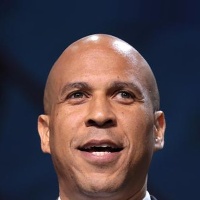
Cory Booker
Senator
NJ
The Marijuana in Federally Assisted Housing Parity Act of 2025 prevents individuals from being denied admission to or evicted from federally assisted housing solely for marijuana-related activities that are legal under state law. The bill ensures that such activities are no longer classified as "drug-related criminal activity" within federal housing programs. Additionally, it directs the Department of Housing and Urban Development to regulate marijuana smoking in the same manner as tobacco smoking.
New Federal Housing Rules Protect Tenants Following State Marijuana Laws: Eviction Protections and Smoke-Free Standards Set to Launch
The Marijuana in Federally Assisted Housing Parity Act of 2025 creates a legal firewall between your housing security and your state’s cannabis laws. Under this bill, the Department of Housing and Urban Development (HUD) and local housing authorities are prohibited from denying admission or evicting tenants from public housing and Section 8 programs solely because of marijuana use, possession, or even distribution, provided those activities are fully legal in the state where they live. By amending the United States Housing Act of 1937 and the Quality Housing and Work Responsibility Act of 1998, the legislation ensures that 'drug-related criminal activity' no longer includes state-legal marijuana conduct.
Keeping Your Keys
For a single parent in a Section 8 apartment or a retiree in public housing, this bill changes the stakes of state legalization. Currently, because marijuana remains illegal at the federal level, a tenant in a state like Colorado or Virginia could technically lose their federal housing voucher for using a product sold legally down the street. This bill closes that gap. Section 2 specifically amends the definition of 'criminal activity' to exclude state-compliant marijuana use, meaning a legal purchase at a licensed dispensary cannot be used as grounds for a lease termination or a 'one-strike' eviction. This protection extends across all 50 states and territories like Guam and Puerto Rico, ensuring that your right to a roof isn't tied to federal drug classifications that conflict with your local laws.
The 'Tobacco Rule' for Cannabis
While the bill protects your right to live in federally assisted housing, it doesn't mean it's a free-for-all for indoor use. Section 3 requires HUD to issue new regulations within 90 days that treat marijuana smoke exactly like tobacco smoke. In practice, this means if your public housing building is currently 'smoke-free' for cigarettes under existing federal rules (24 CFR part 965), those same restrictions will apply to smoking marijuana. If you're a neighbor who doesn't smoke, the bill maintains existing air quality standards; if you are a consumer, you'll likely need to step outside to the same designated areas used by tobacco smokers. This parity aims to balance the rights of individual tenants with the general health standards of the building.
Clearing the Path for Applicants
Beyond keeping current residents in their homes, the bill removes the 'marijuana hurdle' for people trying to get into the system. Public housing agencies are barred from setting admission standards that screen out households for state-legal cannabis involvement. For example, a worker employed at a legal cultivation center or a retail dispensary—occupations that are perfectly legal in many states but technically 'manufacture' or 'distribution' under federal law—can no longer be barred from housing assistance because of their job. By forcing HUD to treat these activities as 'lawful,' the bill ensures that participation in a state-sanctioned industry doesn't result in federal housing discrimination.