This act imposes sanctions on foreign persons trading Russian oil and petroleum products unless specific conditions related to supporting Ukraine or reducing Russian purchases are met.
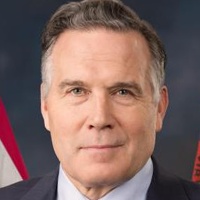
Dave McCormick
Senator
PA
The Decreasing Russian Oil Profits Act of 2025 imposes sanctions on foreign persons involved in purchasing or importing Russian oil and petroleum products. The President has the authority to grant limited exceptions, such as allowing funds to be deposited into an account specifically designated to support Ukraine. These sanctions will terminate five years after the date of enactment.
New Sanctions Target Russian Oil Buyers: Payments May Be Rerouted to Ukraine Aid or Food Escrow
The “Decreasing Russian Oil Profits Act of 2025” is a serious piece of foreign policy legislation that aims to choke off the revenue stream Russia gets from its oil sales. Starting 90 days after it becomes law, this bill imposes sanctions on any foreign person or entity—including CEOs and board members—involved in buying, importing, or financing Russian oil and petroleum products. Essentially, if you’re a company anywhere in the world still dealing in Russian crude, the U.S. Treasury can block your assets and transactions that touch the U.S. financial system (SEC. 2).
The Sanctions Trapdoor: Four Ways Out
The most interesting, and complex, part of this bill is the set of limited exceptions the President can grant. The goal isn't just to stop the trade, but to redirect the money or incentivize countries to cut ties. The President can choose to apply no more than two of the four available exceptions, which gives the Executive Branch a lot of power to pick and choose who gets relief and why (SEC. 2).
One exception is essentially a “pay-for-Ukraine” deal. If a country buys Russian oil, it can avoid sanctions by depositing the payment into a U.S.-established account specifically for Ukraine’s benefit. These funds must be used for reconstruction and defense articles, and a significant portion must be disbursed every 90 days. The catch? The State Department has to certify a plan for transparency before any money moves, and Congress gets a 15-day window to block transfers (SEC. 2).
Another exception creates an escrow account for Russian funds. A country can be exempted if it certifies that all money owed to Russia for oil will be credited to an account within that country, and those funds can only be used to pay for Russian agricultural goods, food, medicine, or medical devices sold to that country. This is a mechanism to keep food and medicine flowing while ensuring the oil money doesn't fund the war, but it does create a complicated financial loop that critics will watch closely (SEC. 2).
What This Means for Global Markets and Your Wallet
For regular people, this bill could mean a few things. First, any major disruption in the global oil supply—even targeted sanctions—can create price volatility. If major buyers of Russian oil can’t secure an exception or find alternative suppliers quickly, the resulting supply shock could contribute to higher prices at the pump, affecting everyone’s commute and delivery costs. Second, the bill is clear: none of these exceptions apply if the Russian oil is sold above the existing price cap set by the Treasury. This means that even if a country agrees to the Ukraine fund exception, if the oil price is too high, the sanctions still hit the transporters, insurers, and financiers (SEC. 2).
This universal enforcement of the price cap is a significant detail. It means that the U.S. is signaling that the price cap is non-negotiable for anyone involved in the transaction, regardless of where they are based. For example, a global shipping company that provides maritime transport for Russian oil sold above the cap will face sanctions, even if they are based in a country that otherwise supports Ukraine. The bill is a five-year commitment, with all sanctions terminating after that period, which provides a clear timeline for the policy’s duration.