This act reauthorizes and amends the Wildlife Road Crossing Program, authorizing \$200 million annually through 2031 and enhancing support for projects involving Indian tribes.
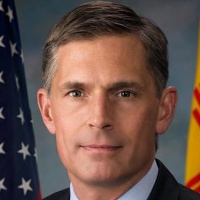
Martin Heinrich
Senator
NM
This act reauthorizes and updates the Wildlife Road Crossing Program, ensuring continued federal funding through 2031. It removes the "pilot" designation and makes key changes to support tribal participation, including 100% federal cost-sharing for tribal grants. The legislation also allocates funds for technical assistance to tribes and covers administrative costs for program management.
Road Safety Bill Commits $200M Annually for Wildlife Crossings, Making Program Permanent
This new legislation, the Wildlife Road Crossing Program Reauthorization Act of 2025, is primarily about making roads safer for both drivers and animals—and it’s doing it with serious funding. The bill reauthorizes the federal program that pays for things like overpasses, underpasses, and culverts designed to let wildlife cross highways safely. It commits a robust $200 million annually from the Highway Trust Fund for five years, starting in fiscal year 2027 and running through 2031 (SEC. 2).
The End of the Pilot Program Era
The biggest structural change here is that the bill removes the term “pilot” from the program’s name and text. This is policy-speak for making the program permanent (SEC. 2). Essentially, Congress is saying, “This works, let’s keep it going.” For state transportation departments and conservation groups, this stability means they can plan long-term projects, which is crucial for infrastructure that takes years to design and build. For drivers, this continued investment means fewer deer-vehicle collisions, which are costly, dangerous, and sometimes fatal. Think of it as a permanent investment in reducing your insurance deductible and improving your commute safety.
Full Funding and Technical Help for Tribes
The bill includes a significant boost for eligible Indian tribes looking to participate in this program. For projects led by these tribes, the federal government will now cover 100% of the project costs, removing the burden of finding matching funds (SEC. 2). This is a game-changer, as finding that local match can often be the biggest hurdle for smaller governments or communities with limited resources. On top of that, the bill sets aside up to 0.5% of the annual $200 million—that’s up to $1 million each year—specifically to provide technical assistance to tribes. This funding is meant to help with the paperwork and applications, speeding up the process from concept to construction (SEC. 2).
The Cost of Doing Business
While the bill is primarily about funding projects, it also acknowledges the administrative reality of running a massive federal grant program. The Secretary of Transportation is allowed to retain up to 0.5% of the annual authorized funds for administrative costs, such as reviewing applications and managing the grants (SEC. 2). This means that out of the $200 million authorized, up to $1 million annually will be used to keep the program running smoothly rather than going directly to construction projects. This is standard practice, but it’s worth noting that every dollar spent on administration is a dollar not spent on a crossing structure. Overall, this reauthorization establishes a clear, permanent, and well-funded path forward for reducing animal-vehicle conflicts while providing targeted, necessary support to tribal governments.