This act reforms the Environmental Quality Incentives Program by adjusting payment limits, capping most practice payments at 75% of costs, and imposing a new annual reporting requirement on the Secretary of Agriculture.
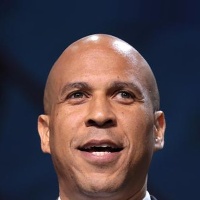
Cory Booker
Senator
NJ
The EQIP Improvement Act of 2025 reforms the Environmental Quality Incentives Program by adjusting payment limits for conservation practices and establishing a new, lower overall payment cap of $150,000 per entity. This legislation also mandates that the Secretary of Agriculture submit an annual report to Congress detailing funding obligations by state, practice category, and producer operation size.
New Farm Conservation Bill Slashes Individual Funding Cap from $450K to $150K; Structural Project Aid Cut to 40%
The new EQIP Improvement Act of 2025 is shaking up how federal money flows to farmers for conservation work. This bill dramatically changes the rules for the Environmental Quality Incentives Program (EQIP), which helps producers pay for everything from soil health improvements to building waste management systems. The biggest news? The total amount of EQIP money any single person or legal entity can receive is getting slashed from a maximum of $450,000 down to $150,000.
The New Math for Conservation Costs
If you’re a producer, the bill changes how much the government will cover for your conservation projects. For the majority of practices—think cover cropping, nutrient management, or rotational grazing—the government will still cover up to 75 percent of your costs (planning, materials, labor, etc.). That’s the good news. The catch is for a specific list of 25 structural practices—the expensive, large-scale infrastructure like building access roads, dams, waste facilities, or irrigation pipelines. For those items, the payment cap drops sharply to just 40 percent of the cost. However, the bill does allow for 100 percent coverage of any income a producer loses while implementing the conservation practice, which is a key win for those whose farming schedule is disrupted by the work.
Who Wins and Who Pays the Difference?
This bill creates a clear divide in the agricultural community. By cutting the total payment cap from $450,000 to $150,000, the legislation effectively spreads the available EQIP money across more producers. If you’re a smaller or mid-sized operation, this could be a big win, potentially improving your access to funds that were previously concentrated among a few large recipients. However, for those large-scale operations that rely on EQIP to fund massive, multi-year conservation projects—like a large dairy farm needing a comprehensive waste management system—hitting that $150,000 ceiling is going to happen fast, forcing them to find hundreds of thousands of dollars elsewhere.
The High Cost of Infrastructure
The most challenging provision for many farmers is the cut to structural practices. If you need to install a major irrigation pipeline or build a new manure storage facility—projects that can easily cost six figures—the government will now only cover 40 percent of the hard costs. This means the producer is on the hook for a much larger share of the bill, potentially making these essential, high-cost infrastructure upgrades financially impossible for many. This is a crucial detail, as these structural projects are often vital for meeting environmental regulations and ensuring long-term sustainability.
Keeping Tabs on the Money
Finally, the bill adds a new layer of transparency, which is always a good thing for taxpayers. It requires the Secretary of Agriculture to submit a detailed annual report to Congress. This report must break down exactly how EQIP money was spent, showing the total dollars obligated in each state, and crucially, categorizing that spending by the size of the producer's operation. This new requirement should give us a much clearer picture of whether EQIP funds are actually reaching small, medium, or large farms, allowing Congress—and the public—to better assess the program’s equity and effectiveness year over year.